

Some phrases are carved into regulation, others had been invented throughout a lunch break in model technique.
You can wallpaper your toilet with the guarantees printed on liquor bottles. Phrases like “genuine,” “heritage,” and “handcrafted” get tossed round like cilantro at a taco bar, however they not often imply what you assume they imply. Some are written in stone by authorities legal professionals. Others had been invented throughout lunch by somebody in advertising and marketing whose principal qualification was proudly owning a pair of Warby Parkers.
Let’s crack the label open.
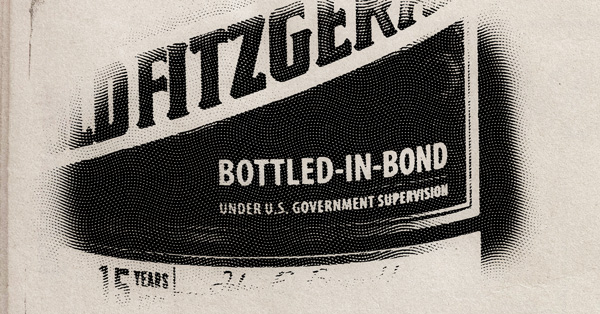
Bottled-in-Bond
In 1897, the US authorities took a break from railroads and robber barons to cross the Bottled-in-Bond Act, America’s first actual client safety legislation for booze. It assured your whiskey wasn’t secretly produced from kerosene, tobacco spit, or the Nineteenth-century model of drywall mud and fentanyl.
Earlier than that, most whiskey got here from rectifiers, middlemen who purchased uncooked spirit and “improved” it with impartial grain alcohol, syrups, iodine, or no matter else was helpful. Real distillers hated it, shoppers couldn’t belief a label, and the federal government needed a cleaner method to gather taxes. Bonded warehouses gave all of them three.
In the present day, “Bottled-in-Bond” nonetheless means:
- One distillery
- One distillation season
- A minimal of 4 years in a bonded warehouse underneath authorities lock and key
- Bottled at precisely 100 proof
In case your whiskey follows these guidelines, you’re ingesting one thing even the federal authorities agrees is legit. Which is likely to be the primary and final time that occurs.
And much from being a dusty relic, Bottled-in-Bond turned a badge of honor throughout bourbon’s Twenty first-century comeback, with distilleries proudly stamping it on labels as proof that their bottles had been each historic and reliable.
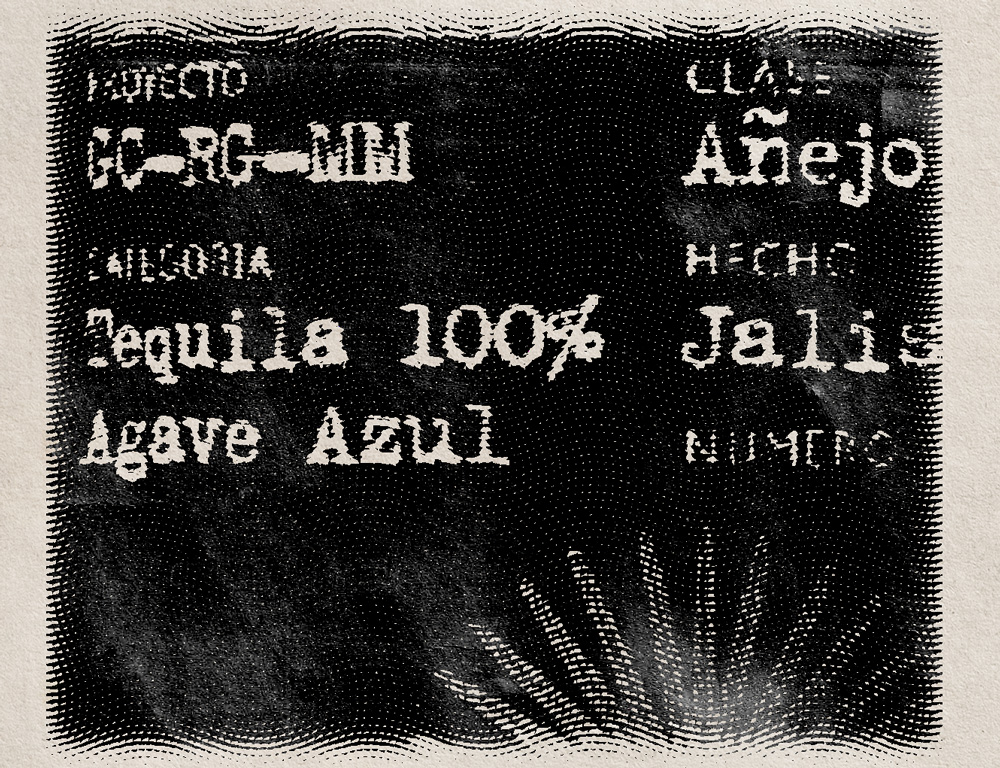
Tequila vs 100% Agave
Mexico owns the phrase “Tequila” the way in which France owns Champagne: by legislation, geography, and the ability of being deeply unimpressed by shortcuts.
Beneath NOM-006, actual tequila should be produced from Blue Weber agave in very particular areas like Jalisco and some aspect gigs in neighboring states.
Now, right here’s the place issues get slippery: Tequila solely must be 51% agave sugars. The remaining could be cane sugar, corn syrup, or no matter legally counts as fermentable, which suggests you’re ingesting mixto, not the good things.
Bottles that say “100% agave” or “Tequila 100% de agave”? These are required to be bottled in Mexico and made solely from agave sugars. However even then, a splash of oak extract or glycerin is still fair game.
After which there’s the NOM code. It’s a authorities ID that ties a tequila again to its licensed producer. Totally different manufacturers can share the identical NOM if they arrive from the identical firm or facility, which is much less a novel fingerprint and extra like realizing your fancy jam and your Lunchables each got here off the identical company truck.
Tequila is one department of the bigger mezcal household. Mezcal stretches wider, with extra agave sorts and conventional strategies that usually result in smokier, earthier profiles. It’s not about higher or worse; it’s nearer to Scotch areas with totally different guidelines, totally different flavors, and totally different traditions.
Mezcal runs on the identical regulatory spine however underneath a special rulebook, NOM-070. As an alternative of only a quantity, mezcal NOMs embody letters that reveal the state (O for Oaxaca, M for Michoacán, D for Durango), a sequence quantity for certification, and a closing letter tied to that state’s system.
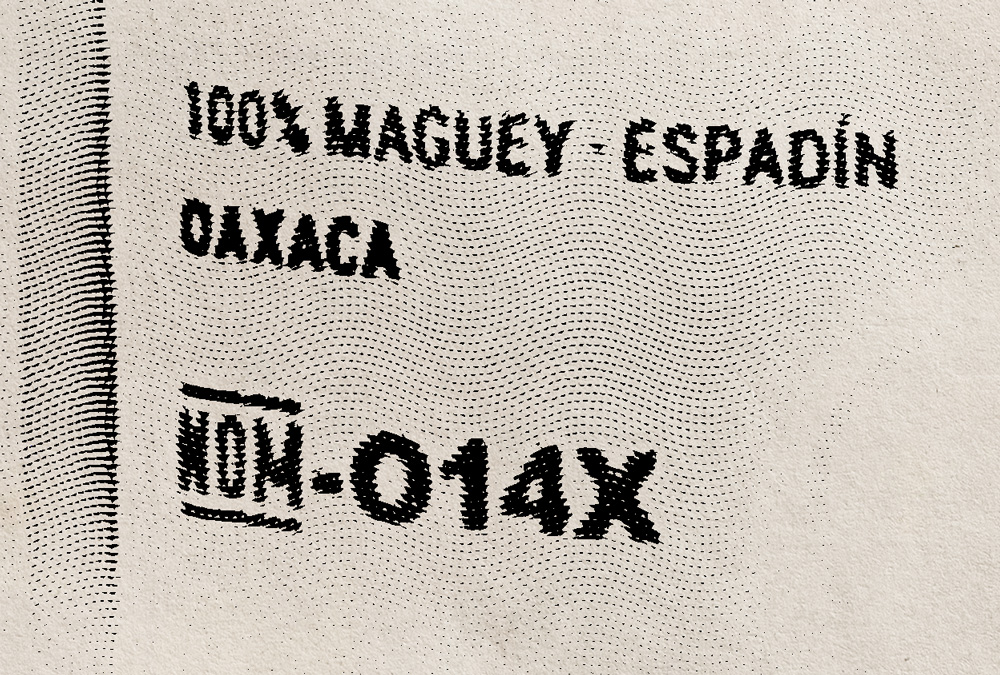
For instance, NOM-O191X on Madre Espadín and Madre Ensamble exhibits each spirits had been licensed in Oaxaca on the identical facility, even when the bottles or agave blends differ. Some labels select to not show it prominently, or typically by no means. The producer may lean on the Denomination of Origin (DO) hologram, QR codes, or different verification marks as an alternative.
So whether or not you’re ingesting tequila or mezcal, the NOM is identical sort of factor: a regulatory ID that tells you the place it was licensed, not how good it’s.
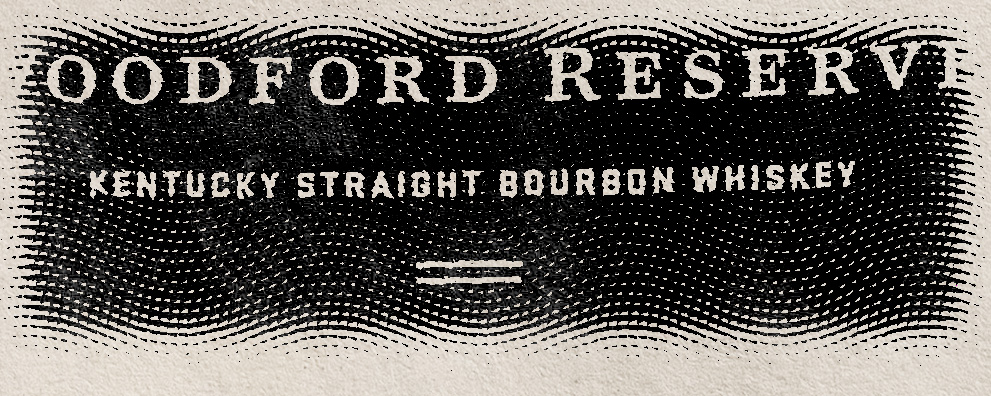
Bourbon vs Straight Bourbon vs Kentucky Straight Bourbon
If bourbon had been an individual, it’d be the man in a superbly ironed Oxford shirt who’s quietly been following the foundations since 1964. For one thing to be legally known as bourbon, it must be at the least 51% corn, distilled underneath 160 proof, barreled in new charred oak at not more than 125 proof, and bottled at a minimal of 40% ABV. No flavors. No coloring. Simply authorized Protestantism in liquid type. Regulation here.
Straight bourbon takes it additional. It should age at the least 2 years, and if it’s underneath 4, the label has to say so. It’s the distinction between somebody who exhibits up on time and somebody who additionally brings their very own clipboard.
Kentucky Straight Bourbon is the place the clipboard man inherits household land. Kentucky has been the middle of bourbon because the late 1700s, when settlers found that the area’s limestone-filtered water, corn-friendly soil, and humid summers with chilly winters made whiskey virtually increase itself within the barrel. By the late 1800s, Kentucky was producing a lot that “Kentucky Bourbon” turned a shorthand for the good things. The state leaned into it, passing its personal legislation you can’t use “Kentucky” on a label except the whiskey was distilled and aged there for at the least a 12 months. So whenever you see “Kentucky Straight Bourbon,” it means all of the federal straight-bourbon guidelines, plus the load of two centuries of native bragging rights.
Proof and ABV
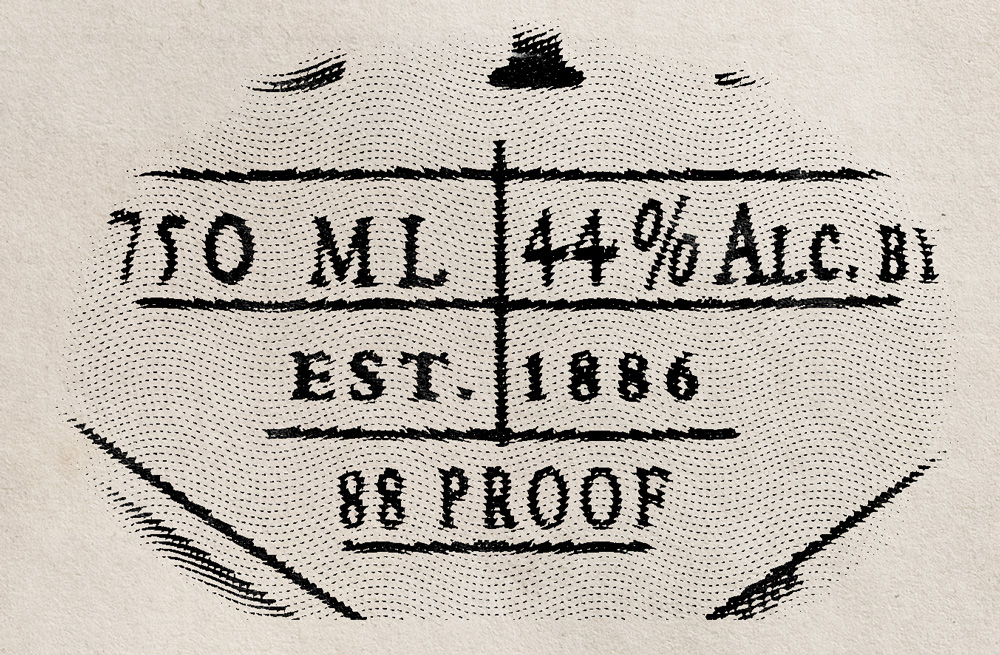
Right here’s the trick: within the US, proof = ABV × 2. If you happen to see 90 proof on a bottle, it means it’s 45% alcohol. Nothing mystical. Simply arithmetic.
The phrase proof comes from previous English tax legislation. Within the 1500s, inspectors examined spirits by mixing them with gunpowder and putting a flame. If the powder nonetheless ignited, the spirit was “above proof” and taxed extra. Too weak and it fizzled, too robust and it flared out. The system caught lengthy sufficient that by the 18th century Britain mounted 100 proof as 57.15 % ABV, the purpose the place gunpowder would reliably ignite.
When the US codified its own system within the 1800s, the federal government lower by the maths and made it easy: proof could be precisely double the ABV. So 80 proof is 40 % alcohol, 100 proof is 50 %, and no person must gentle gunpowder on their bar counter to determine it out.
Cask Energy, Barrel Proof, Overproof, & Navy Energy
Barrel proof is the label’s approach of claiming, “We didn’t water this down.” In line with the legal fine print, the bottling proof must be inside two levels of the unique.
Cask power means the identical factor however is technically unregulated.
Most spirits settle at 40% ABV, the authorized minimal within the U.S. for calling one thing whiskey, rum, or gin. Something stronger than that’s thought-about overproof. It simply means “above the usual,” whether or not that’s a bourbon bottled at 110 proof or a rum that clocks in at 151. Overproof doesn’t have a authorized cutoff, it’s extra of a warning label that you simply’re holding firewater.
Navy Energy is the one mounted level. The legend says the British Royal Navy saved rum at 57% ABV so if it spilled on the gunpowder, the powder would nonetheless hearth. It’s a fantastic story, nevertheless it’s principally advertising and marketing lore. By the mid-1700s, the Navy was already utilizing hydrometers to measure power, and rum and gunpowder had been saved in separate compartments of the ship. Nobody was sloshing rum on cannon costs under deck.
The actual “navy power” quantity, about 54.5% ABV, got here later. When hydrometers changed the previous gunpowder take a look at, officers in contrast a batch of rums that had traditionally “handed” the fireplace take a look at. They averaged the hydrometer readings and locked in 95.5 proof, which interprets to 54.5% ABV. That turned the official issuing power, and trendy “Navy Energy” labeling retains the parable alive with a rounder 57% determine. Difford’s Guide explains.
For taste, overproof spirits hit hotter and carry extra concentrated character. Bartenders prize them for cocktails that want spine, because the additional power holds up in opposition to citrus, sugar, and dilution. Straight, they’re not delicate, they’re depth in a glass, displaying off each fringe of the spirit. Personally, I want overproof ryes for my quaint so I nonetheless get that whiskey taste in steadiness with the ice and easy syrup.
Small Batch
“Small batch” sounds artisanal. Like somebody made it sporting an apron and sells it on the farmers market. But it surely means nothing legally. May very well be ten barrels. May very well be 2 hundred. There are no rules. Simply vibes.
Single Barrel
In contrast to small batch, single barrel normally means what it says: all of the whiskey got here from one barrel. No mixing. No filtering. Only one moody cask doing its greatest.
The implication for taste is large. With a single barrel, you style the quirks of 1 cask’s life, similar to the place it sat within the rickhouse, how the wooden breathed, and the way the local weather hit it. One barrel may lean wealthy and oaky, one other brilliant and spicy, one other gentle and candy. It’s as shut as whiskey will get to a fingerprint.
Single barrel bottles are sometimes positioned as premium not as a result of the foundations demand it, however as a result of they allow you to style individuality as an alternative of a recipe. It’s whiskey with no security web, and that’s the attraction for some.
Single Malt
In Scotland, single malt means malted barley, made in pot stills, all from one distillery. It should be aged at the least three years in oak. There’s an precise regulation for it.
Within the US, we lastly caught up. In December 2024, The Alcohol and Tobacco Tax and Commerce Bureau (TTB) approved American Single Malt Whisky: 100% malted barley, made at one distillery, saved in oak (new or used), bottled at 40% ABV or extra.
Single Grain
Regardless of the identify, single grain doesn’t imply one grain. In Scotland, Eire, and Japan it means whisky from one distillery, made principally in column stills, with corn, wheat, or unmalted barley within the combine together with malted barley. All three require at the least three years in oak. The type is normally lighter and cleaner than single malt, which is why it not often takes heart stage by itself.
Within the US, “grain whiskey” means one thing else solely. Federal legislation defines it as a whiskey produced from a mash invoice that’s at the least 51 % of a selected grain aside from corn. Rye whiskey, wheat whiskey, or barley whiskey all depend right here. American grain whiskey leans on a single dominant grain slightly than a multi-grain combine, making it extra about one taste profile than a softer mix of a number of.
Blended
When you’ve met single malt and single grain, mixing is the subsequent transfer. Blended Scotch is a mixture of these two, all made and aged in Scotland for at the least three years.
“Blended” doesn’t routinely imply worse, even when that fame has adopted it for many years. In Scotland, mixing single malt with single grain created a whisky that was smoother, extra approachable, and, most significantly, constant. That reliability made blended Scotch the worldwide normal, and it nonetheless accounts for nearly 90 % of all Scotch bought.
Within the US, the phrase picked up baggage. American blended whisky can legally include as much as 80 % impartial grain spirits, basically vodka, with simply sufficient whiskey for taste. The outcome was thinner, cheaper bottles that turned “blended” into shorthand for “funds.” Blended bourbon is stricter, at the least 51 % straight bourbon with the remainder made up of different whiskey or impartial spirits. It’s a mix, not a dilution. Often.
In Canada, mixing is the home type. Whisky must age at least three years, and most of it’s a mixture of grain whisky and flavouring whisky (decrease proof however with stronger taste). Some bottles lean gentle and velvety, others land squarely in beige.
So does blended imply worse? Not in Scotland or Japan, the place mixing is handled as a craft and grasp blenders are celebrated for creating steadiness out of dozens of whiskies. Within the US, the authorized shortcut constructed its personal unhealthy fame, and the phrase by no means absolutely recovered.
Pure Flavors
In line with FDA law, “pure flavors” should be derived from a pure supply like fruit, bark, dairy, no matter, nevertheless it doesn’t need to style like that factor. “Pure lime” may include precise lime oil. “Lime with different pure flavors” may very well be lemons pretending to be limes.
‘Synthetic flavors’ are lab-built, not inherently poisonous. The actual query is whether or not it tastes like lemon or just like the stuff you mop with.
Actual Fruit vs. 100% Juice
In case your canned cocktail says “accommodates actual juice,” it might legally imply 1%. The actual legislation comes from 21 CFR §101.30, which says if a product exhibits or implies juice, it has to reveal how a lot. Solely “100% juice” is assured to be, nicely, 100%. The remaining is simply fruit-adjacent optimism.
Non-Chill Filtered
Chill filtration pulls out fatty acids and esters that make whiskey go cloudy in chilly glasses. That’s all. In case your bottle says non-chill filtered, it’d look just a little foggy, particularly on ice, however that haze accommodates taste, physique, and a hint quantity of smugness. More on that.
Reserve
Within the US, “reserve” is totally unregulated. It could possibly imply older barrels, or simply that somebody preferred how the phrase regarded in cursive. In Rioja, Spain, Reserva means purple wine aged at the least 3 years, with at the least 12 months in oak. However that’s Rioja. Your whiskey’s “Grand Reserve Version” is likely to be aged in nothing greater than ambition. Rioja DOCa explanation
Property Bottled
In wine, property bottled is actual. Beneath US wine law, it means the grapes had been grown, crushed, fermented, aged, and bottled on the identical property, inside the identical AVA (American Viticultural Space). This can be a federally acknowledged grape-growing area, mapped out for its specific soil, local weather, and geography.
In spirits, “property” is only a phrase. Might imply something. Might imply nothing.
Age Statements
If a bottle says twelve years, each drop inside should be at the least twelve. It’s a minimal, not a median. Spirits underneath 4 years previous must list the age.
