

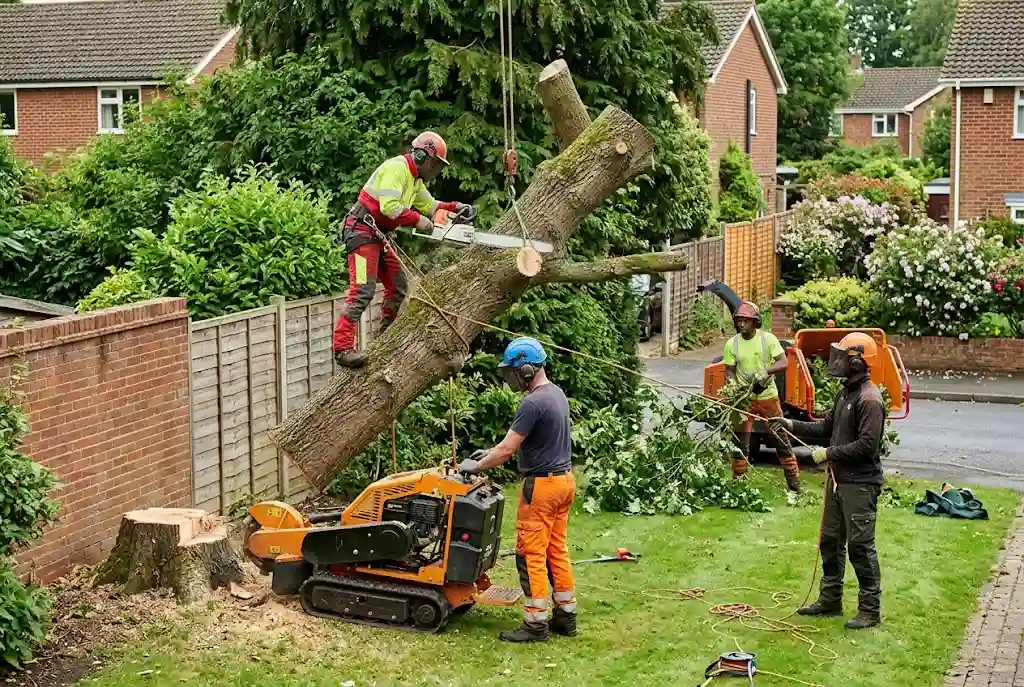
Tree removal and stump removal are essential services for maintaining safe, functional outdoor spaces. While trees are valuable assets, there are situations where removal becomes necessary—whether due to disease, structural instability, or landscaping plans. In the UK, professional arborists ensure that the process is handled safely, efficiently, and in line with local regulations.
When Is Tree Removal Necessary?
Removing a tree is always a last resort, but certain conditions make it unavoidable. Trees that are dead, severely damaged, or infected with disease can pose risks to people, buildings, and nearby vegetation.
Common reasons for tree removal include:
- Structural instability or risk of falling
- Severe pest infestations or disease
- Storm damage or broken limbs
- Interference with buildings, utilities, or foundations
- Landscape redesign or construction projects
Before removal, it’s always recommended to consult a professional through a tree service assessment to determine whether the tree can be preserved.
The Tree Removal Process Explained
Tree removal is a technical operation that requires careful planning and specialised equipment. Arborists assess the tree’s size, location, and condition before deciding on the safest approach.
The process typically involves:
- Initial inspection and risk assessment
- Sectional dismantling for large or confined trees
- Controlled cutting using ropes and rigging systems
- Safe disposal or recycling of wood and debris
For properties in urban areas, such as Berkshire, hiring experienced professionals like a tree surgeon in Reading ensures minimal disruption and maximum safety.
Why Stump Removal Is Just as Important
After a tree is cut down, the remaining stump can cause several problems if left untreated. It may not seem urgent, but over time, stumps can become a source of inconvenience and even hazard.
Key reasons to remove stumps include:
- Preventing regrowth and unwanted shoots
- Eliminating trip hazards in gardens
- Reducing the risk of pests such as fungi or insects
- Improving the appearance and usability of outdoor space
Professional stump removal services typically involve stump grinding, which reduces the stump to wood chips, allowing the area to be reused or replanted.
Stump Grinding vs. Full Stump Removal
There are two main approaches to dealing with tree stumps: grinding and complete removal. Each has its advantages depending on your needs.
Stump Grinding
This method uses specialised machinery to grind the stump below ground level. It is quicker, less invasive, and ideal for most residential properties.
Full Stump Removal
This involves extracting the entire root system. While more thorough, it is also more labour-intensive and may disturb surrounding soil.
Your arborist will recommend the most suitable option based on your landscape plans and soil conditions.
Combining Tree Cutting, Trimming, and Removal Services
In many cases, tree removal is part of a broader maintenance strategy. Trees that are not yet hazardous may benefit from trimming or pruning instead of full removal.
Exploring tree trimming and removal services can help you understand when selective cutting is sufficient and when complete removal is necessary. This integrated approach ensures long-term tree health while maintaining safety.
Environmental Considerations
Tree removal should always be carried out responsibly. In the UK, many trees are protected under Tree Preservation Orders (TPOs) or located within conservation areas. Removing such trees without permission can lead to legal penalties.
Professional arborists handle these requirements by obtaining necessary approvals and ensuring compliance with local regulations. They also promote sustainable practices, such as recycling wood into mulch or firewood.
What Happens After Removal?
Once the tree and stump are removed, the space can be repurposed. Many homeowners choose to replant new trees or redesign their gardens.
If you’re planning to introduce new greenery, understanding the best tree planting season in the UK will help ensure successful growth and long-term sustainability.
Costs and Factors Affecting Pricing
The cost of tree removal and stump removal varies depending on several factors:
- Tree size and height
- Location and accessibility
- Complexity of the job
- Stump removal method
While it may be tempting to choose the cheapest option, quality and safety should always come first. Hiring qualified professionals reduces risks and ensures the job is done correctly.
Choosing a Reliable Stump and Tree Removal Service
When selecting a service provider, look for experienced arborists who follow British Standards (BS3998) and carry proper insurance. Transparent quotes, clear communication, and positive customer feedback are also key indicators of reliability.
For additional guidance on safe tree work practices, you can refer to the Health and Safety Executive’s tree work guidelines, which outline important safety considerations for tree removal in the UK.
Final Thoughts
Tree removal and stump removal are critical aspects of responsible property maintenance. Whether you’re addressing safety concerns, improving aesthetics, or preparing for new landscaping, professional services ensure the process is handled efficiently and safely. By working with skilled arborists, you can maintain a healthy, functional outdoor space while protecting your property and the surrounding environment.
