

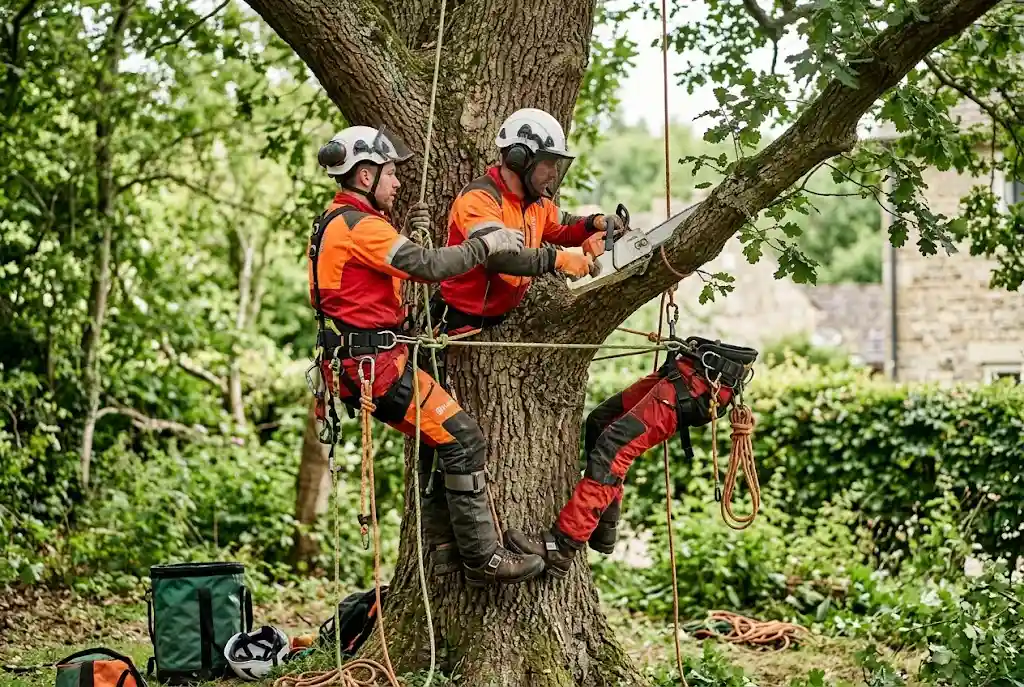
Tree surgery is a highly skilled and rewarding profession within the UK’s growing arboriculture sector. If you’re wondering how to become a tree surgeon, this guide will walk you through everything you need to know—from qualifications and training to career opportunities and expected earnings.
Tree surgeons play a vital role in maintaining the health, safety, and appearance of trees in urban and rural environments. As demand for environmental care and green infrastructure increases across the UK, skilled professionals in tree care are more valuable than ever.
What Does a Tree Surgeon Do?
A tree surgeon, also known as an arborist, is responsible for maintaining trees through pruning, felling, planting, and disease management. This profession requires both physical ability and technical knowledge.
Typical responsibilities include:
- Tree pruning and crown reduction
- Tree removal and dismantling
- Diagnosing tree diseases
- Emergency storm damage response
- Planting and maintaining young trees
For a deeper understanding of the industry, you can explore arboriculture in the UK and how it connects to broader environmental management practices.
Tree Surgeon Qualifications in the UK
To start your career, you don’t always need a university degree, but proper certification is essential. Most employers look for recognised tree surgeon qualifications that demonstrate your ability to work safely and professionally.
Essential Certifications
- NPTC (City & Guilds) Chainsaw Certification
- Level 2 or Level 3 Diploma in Arboriculture
- First Aid at Work certification
- Health & Safety training
These qualifications ensure you can safely operate equipment and manage tree care tasks effectively.
Tree Surgeon Courses Near Me
If you’re searching for tree surgeon courses near me, there are many land-based colleges and specialist training providers across the UK offering practical and classroom-based learning.
Courses typically include:
- Chainsaw operation and maintenance
- Tree climbing and aerial rescue
- Tree identification and biology
- Safe working practices
You can also browse nationally recognised training options via the Royal Horticultural Society training programmes, which offer valuable entry points into horticulture and tree care.
Gaining Practical Experience
Hands-on experience is crucial in this field. Many aspiring tree surgeons begin with apprenticeships or entry-level roles to build their skills.
Look for opportunities such as:
- Apprenticeships in arboriculture
- Groundworker roles with tree care companies
- Volunteer work with local councils or environmental organisations
As you gain experience, you can progress into more specialised roles such as tree surveyor positions, which focus on inspection and risk assessment.
Tree Surgeon Earnings in the UK
Understanding tree surgeon earnings can help you plan your career path. Salaries vary depending on experience, location, and specialisation.
- Entry-level: £18,000 – £24,000 per year
- Experienced tree surgeon: £25,000 – £35,000 per year
- Senior arborist or contractor: £40,000+ per year
Self-employed professionals or those running their own tree surgery businesses can earn significantly more depending on workload and client base.
Tree Surgery Jobs and Vacancies
The UK job market offers a wide range of opportunities for trained professionals. Searching for tree surgery jobs near me or tree surgeon vacancies will reveal roles in:
- Local councils
- Private tree care companies
- Forestry organisations
- Environmental agencies
You can also explore broader forestry and environmental job opportunities if you’re interested in expanding your career beyond tree surgery.
Career Progression in Arboriculture
Tree surgery can lead to a variety of specialised career paths. With experience and further training, you may move into roles such as:
- Arboricultural consultant
- Woodland manager
- Ecology specialist
- Tree surveyor or inspector
Professionals interested in land and ecosystem planning may also benefit from understanding woodland management plans, which play a key role in sustainable forestry practices.
Skills Required to Become a Tree Surgeon
Beyond qualifications, certain personal and professional skills are essential:
- Physical fitness and stamina
- Attention to detail
- Problem-solving ability
- Confidence working at heights
- Strong understanding of health and safety
Developing these skills will help you succeed in a competitive and physically demanding industry.
Is Tree Surgery the Right Career for You?
If you enjoy working outdoors, have an interest in nature, and are comfortable with hands-on, practical work, tree surgery can be an incredibly fulfilling career.
As the UK continues to invest in green infrastructure and environmental sustainability, the demand for skilled tree surgeons is expected to grow steadily.
Whether you’re just starting out or considering a career change, learning how to become a tree surgeon is the first step towards a rewarding future in arboriculture.
