

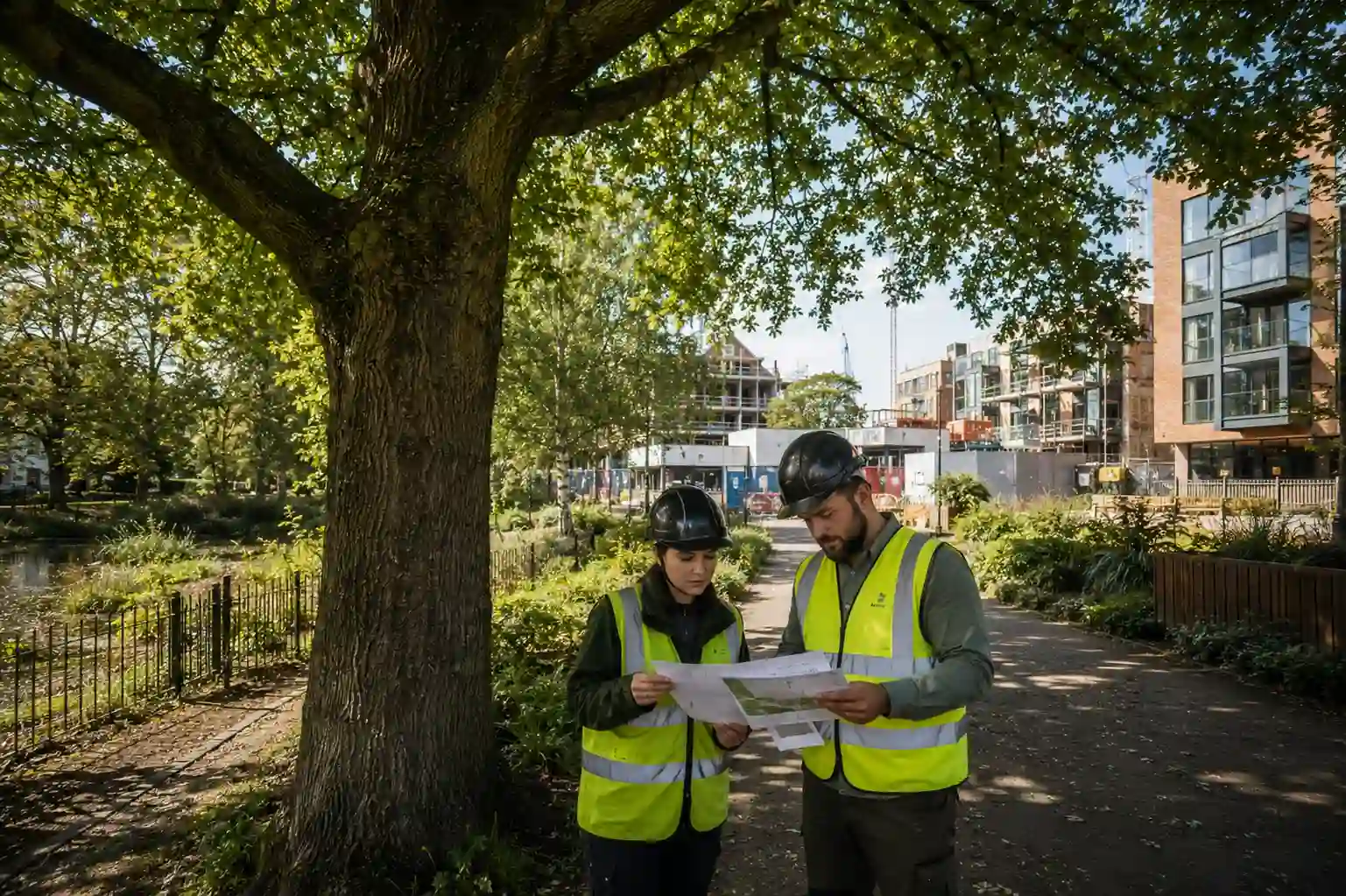
Trees provide major environmental, ecological, and public benefits throughout the UK. They improve air quality, reduce urban heat, support biodiversity, and contribute significantly to healthier urban and rural environments. Because of their environmental value, many trees are protected by planning laws and environmental regulations.
However, property owners, developers, and contractors sometimes underestimate the legal consequences of removing or damaging protected trees without proper permission. Unauthorized tree removal can result in significant financial penalties, planning complications, enforcement action, and even criminal prosecution.
As environmental regulations continue evolving across the UK, understanding tree protection laws has become increasingly important for anyone involved in property management, land development, or construction work.
Why Tree Protection Laws Exist
Urban development, infrastructure expansion, and land clearance can place major pressure on tree populations. Tree protection laws help preserve environmentally valuable trees that contribute to biodiversity, climate resilience, public wellbeing, and local landscape character.
Protected trees support:
- Air quality improvement
- Flood prevention
- Urban cooling
- Wildlife habitats
- Carbon storage
- Public green spaces
- Environmental sustainability
Many councils now integrate tree protection policies into broader urban environmental sustainability and climate resilience strategies.
What Counts as Unauthorized Tree Removal?
Unauthorized tree removal generally refers to carrying out tree work without obtaining the legally required permission from the local authority.
This may include:
- Removing protected trees
- Heavy pruning without approval
- Cutting roots of protected trees
- Damaging tree structure during construction
- Topping or lopping protected trees
- Removing trees in conservation areas without notice
Even work intended for maintenance or safety reasons may still require formal approval if legal protections apply.
Professional arborists providing professional arboriculture services can help property owners determine whether permissions are required before any work begins.
Tree Preservation Orders and Legal Protection
One of the most common legal protections affecting tree work in the UK is the Tree Preservation Order (TPO).
TPOs protect individual trees, groups of trees, or woodlands considered environmentally or visually important.
If a tree is protected by a TPO, property owners generally need written consent before carrying out:
- Tree removal
- Crown reduction
- Major pruning
- Root disturbance
- Structural alterations
Property owners should always verify protection status before arranging any tree work.
Many landowners seek professional guidance regarding tree preservation orders UK compliance to avoid legal problems.
Conservation Area Restrictions
Trees located within conservation areas may also receive legal protection even if no formal TPO exists.
Property owners are usually required to provide advance notice before carrying out significant work on trees within these protected areas.
This allows local authorities time to assess whether formal protection should be applied.
Conservation area restrictions commonly affect:
- Historic districts
- Heritage towns
- Protected landscapes
- Architecturally significant neighbourhoods
Financial Penalties and Legal Consequences
Unauthorized tree removal can lead to severe financial and legal consequences.
Potential penalties may include:
- Substantial fines
- Criminal prosecution
- Court proceedings
- Enforcement notices
- Mandatory replacement planting
- Planning complications
In serious cases, courts may impose significant penalties where protected trees have been intentionally destroyed or damaged.
Contractors carrying out unauthorized work may also face legal liability if proper permissions were not verified beforehand.
Construction and Development Risks
Unauthorized tree damage frequently occurs during construction and development projects. Excavation, soil compaction, root severance, and machinery movement can all damage protected trees even if direct removal does not occur.
Developers may face legal action if construction activity affects protected trees without approved mitigation measures.
Planning authorities often require:
- Tree surveys
- Root protection plans
- Arboricultural impact assessments
- Construction monitoring
- Long-term tree retention strategies
Many projects now rely on tree preservation services to minimise environmental damage and maintain compliance during development work.
Environmental and Biodiversity Impacts
Unauthorized tree removal can also negatively affect biodiversity and local ecosystems.
Trees support:
- Bird nesting habitats
- Pollinator populations
- Urban wildlife corridors
- Climate resilience
- Ecological balance
Many local authorities now prioritise urban biodiversity conservation when assessing development and environmental planning applications.
Removing mature trees without proper assessment can weaken ecosystem stability and reduce long-term environmental quality.
How Professional Arborists Help Reduce Legal Risks
Qualified arborists help property owners, developers, and contractors navigate tree protection regulations safely and responsibly.
Professional arborists commonly assist with:
- Tree protection assessments
- TPO application support
- Conservation area guidance
- Tree health inspections
- Construction monitoring
- Arboricultural reports
Routine tree health inspection services can also help identify genuine safety concerns that may justify approved maintenance work.
Climate Change Is Increasing the Importance of Tree Protection
Climate change is increasing the environmental value of mature urban trees throughout the UK. Healthy canopy cover helps reduce urban heat, improve air quality, absorb carbon dioxide, and support flood prevention.
The evolving UK arboriculture industry increasingly recognises tree preservation as a major part of climate adaptation and sustainable urban planning.
Protecting existing mature trees is often more environmentally beneficial than relying solely on replacement planting after removal.
Technology Is Improving Tree Protection Enforcement
Modern planning authorities and environmental consultants increasingly rely on digital tools to monitor tree protection compliance.
Common technologies now used include:
- GIS mapping systems
- Drone inspections
- Digital tree inventories
- Environmental monitoring software
- Remote canopy analysis tools
Many organisations now integrate digital tools for arborists into long-term tree management and planning enforcement systems.
The Importance of Responsible Tree Management
Unauthorized tree removal can create serious environmental, financial, and legal consequences for property owners and developers.
According to the UK Government guidance on Tree Preservation Orders, protected trees play a major role in maintaining environmental quality and public amenity value.
Seeking professional arboricultural advice before carrying out tree work is one of the most effective ways to avoid legal problems while supporting responsible environmental management.
As sustainability and biodiversity protection continue becoming more important across the UK, compliance with tree protection laws will remain essential for responsible property ownership and land development.
