

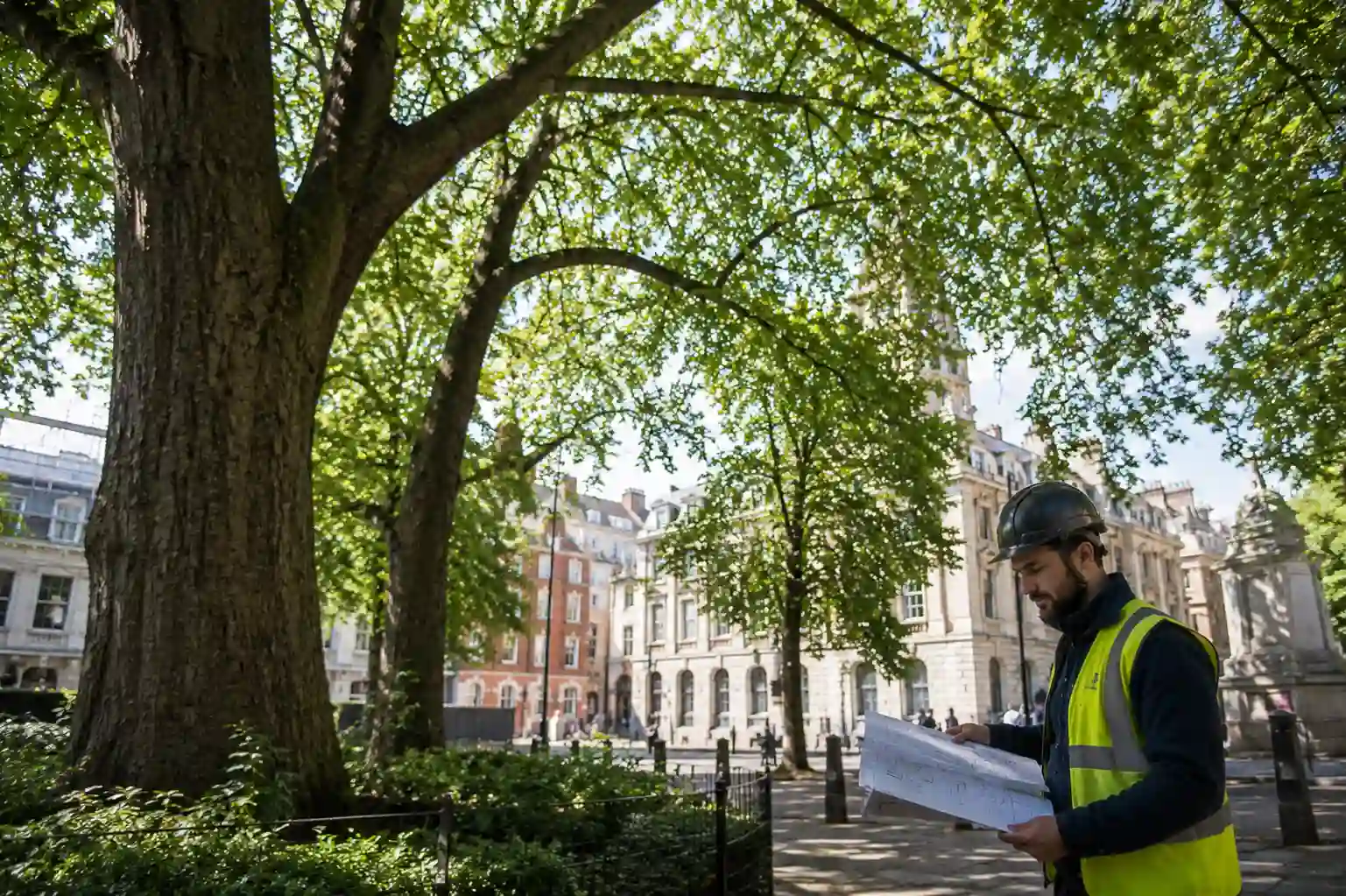
Trees play a major role in protecting environmental quality, improving biodiversity, and supporting healthier urban environments throughout the UK. Because of their environmental and public value, certain trees are legally protected through Tree Preservation Orders (TPOs).
Property owners are often surprised to discover that carrying out work on protected trees without permission can result in serious legal and financial consequences. Whether managing residential gardens, commercial land, or development sites, understanding Tree Preservation Orders is essential for avoiding compliance issues and protecting valuable urban green infrastructure.
As sustainability and environmental planning continue becoming more important across the UK, Tree Preservation Orders remain a key part of modern urban tree protection policies.
What Is a Tree Preservation Order?
A Tree Preservation Order is a legal protection issued by a local planning authority to safeguard trees that provide significant environmental, visual, or community value.
A TPO can apply to:
- Individual trees
- Groups of trees
- Woodlands
- Entire tree areas
Once protected, trees cannot normally be removed, pruned, damaged, or altered without formal permission from the local authority.
TPOs are commonly used to protect:
- Mature urban trees
- Historically significant trees
- Trees supporting biodiversity
- Trees contributing to local landscape character
- Environmentally valuable woodland areas
Professional arborists providing professional arboriculture services frequently assist property owners with TPO-related planning and compliance.
Why Tree Preservation Orders Matter
Urban development, land clearance, and infrastructure projects can place major pressure on tree populations throughout the UK. Tree Preservation Orders help ensure environmentally valuable trees are not unnecessarily damaged or removed.
Protected trees contribute directly to:
- Air quality improvement
- Climate resilience
- Biodiversity protection
- Flood prevention
- Urban cooling
- Public wellbeing
- Landscape quality
Many councils now integrate TPO protections into wider urban environmental sustainability and green infrastructure strategies.
What Work Requires Permission?
If a tree is protected by a TPO, property owners usually need written consent before carrying out work such as:
- Tree removal
- Crown reduction
- Heavy pruning
- Branch removal
- Root cutting
- Tree topping
- Structural alterations
Even work intended to improve safety or appearance may still require official approval.
Applications normally need to include:
- Details of proposed work
- Reasons for the work
- Supporting arboricultural evidence
- Tree condition assessments
Professional arborists often provide reports and inspections to support planning applications and ensure work meets industry standards.
How to Check if a Tree Is Protected
TPO information is typically available through:
- Local council planning departments
- Online planning maps
- Property planning records
- Environmental planning searches
Many developers and landowners also work alongside environmental consulting services to identify planning restrictions early during project development.
Conservation Area Tree Protections
In addition to TPOs, trees located within conservation areas may also receive legal protection.
Property owners are generally required to provide advance written notice before carrying out major work on trees within designated conservation areas.
This allows local authorities time to decide whether formal protection should be applied.
Conservation area protections are especially common in:
- Historic towns and villages
- Heritage districts
- Protected urban landscapes
- Architecturally significant areas
Property Owner Responsibilities
Owning a protected tree also comes with legal responsibilities. Property owners have a duty to manage trees responsibly while ensuring they do not create unreasonable public safety risks.
Responsibilities may include:
- Monitoring tree condition
- Arranging professional inspections
- Managing storm-damaged branches
- Reducing safety hazards
- Preventing foreseeable risks
Routine tree health inspection programmes help identify structural problems, disease, or decay before serious safety concerns develop.
What Happens if Work Is Carried Out Without Permission?
Unauthorised work on protected trees can lead to serious legal consequences.
Potential penalties may include:
- Substantial financial fines
- Criminal prosecution
- Enforcement notices
- Requirements for replacement planting
- Planning complications
Even contractors carrying out the work may face liability if they fail to obtain proper permissions beforehand.
This is why professional arborists and planning consultants strongly recommend verifying protection status before any tree work begins.
Tree Preservation and Development Projects
TPOs are particularly important within construction and development projects. Protected trees can significantly influence site design, planning approval, and construction methods.
Planning authorities may require:
- Tree surveys
- Root protection planning
- Arboricultural impact assessments
- Construction monitoring
- Long-term tree retention strategies
Many developments now rely on tree preservation services to minimise environmental damage and maintain compliance throughout construction phases.
Climate Change Is Increasing the Importance of Tree Protection
Climate change is increasing environmental pressure on urban tree populations throughout the UK. Mature trees play an increasingly valuable role in reducing heat, improving air quality, supporting biodiversity, and managing flood risks.
The evolving UK arboriculture industry increasingly recognises the importance of preserving existing canopy cover as part of long-term climate resilience planning.
Protecting established trees is often more environmentally beneficial than replacing them after removal.
Technology Is Improving Tree Protection Planning
Modern arboriculture and planning increasingly rely on digital tools to improve tree management and protection strategies.
Common technologies now used by arborists and planning consultants include:
- GIS tree mapping systems
- Drone inspections
- Digital tree inventories
- Structural assessment tools
- Environmental monitoring systems
Many organisations now use digital tools for arborists to support more accurate planning and long-term tree preservation strategies.
The Long-Term Importance of Tree Preservation Orders
Tree Preservation Orders help protect some of the UK’s most valuable urban and rural trees for future generations.
According to the UK Government guidance on Tree Preservation Orders, protected trees play a major role in maintaining environmental quality and local landscape character.
As sustainability and environmental planning continue evolving, Tree Preservation Orders will remain an essential part of responsible urban development, biodiversity protection, and long-term environmental conservation across the UK.
