

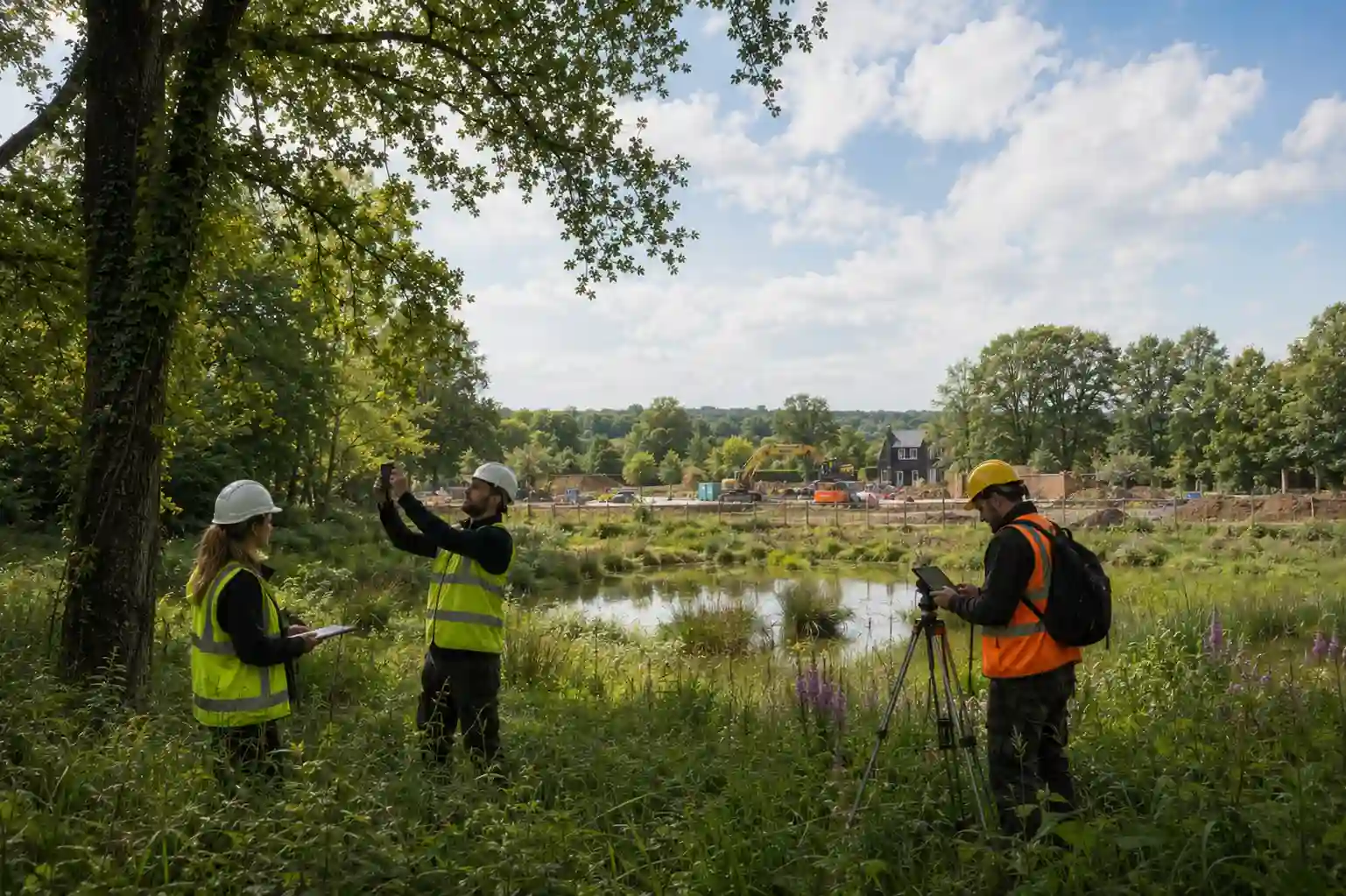
Environmental protection has become a central priority within modern development and infrastructure planning across the UK. As urban expansion, construction projects, and land development continue increasing, protecting natural habitats and biodiversity is more important than ever.
This is where environmental impact assessments play a critical role. Environmental Impact Assessments (EIAs) help developers, planners, local authorities, and environmental consultants evaluate how proposed projects may affect ecosystems, wildlife habitats, water systems, air quality, and long-term environmental sustainability.
By identifying environmental risks early in the planning process, EIAs help reduce ecological damage while supporting more responsible and sustainable development strategies.
What Is an Environmental Impact Assessment?
An Environmental Impact Assessment is a formal process used to identify, predict, and evaluate the environmental effects of proposed development projects before construction begins.
EIAs are commonly required for projects involving:
- Large-scale housing developments
- Infrastructure construction
- Industrial facilities
- Commercial developments
- Transport projects
- Land regeneration schemes
- Energy and utility projects
The purpose of an EIA is to ensure environmental considerations are fully integrated into planning and decision-making processes.
Many developers rely on environmental consulting services to carry out detailed assessments and ensure planning compliance.
Why Environmental Impact Assessments Matter
Without proper environmental planning, development projects can severely damage ecosystems, reduce biodiversity, increase flood risks, and negatively affect public health.
Environmental impact assessments help:
- Protect wildlife habitats
- Reduce environmental damage
- Improve planning decisions
- Support sustainable development
- Identify ecological risks early
- Ensure regulatory compliance
- Improve long-term environmental resilience
Modern planning policies increasingly prioritise environmental sustainability, making EIAs an essential part of responsible land development across the UK.
Protecting Wildlife Habitats
One of the primary objectives of an EIA is protecting natural habitats and wildlife populations that may be affected by development activity.
Environmental consultants assess how projects could impact:
- Bird nesting habitats
- Pollinator populations
- Wetlands and waterways
- Woodland ecosystems
- Protected species habitats
- Ecological corridors
Many projects now incorporate habitat retention and biodiversity enhancement strategies to minimise ecological disruption.
Urban developments increasingly support broader urban biodiversity conservation initiatives designed to strengthen long-term ecosystem resilience.
The Importance of Tree and Green Infrastructure Protection
Trees and green spaces are among the most valuable environmental assets within urban and suburban environments. Construction activity can damage root systems, reduce canopy cover, and weaken long-term environmental resilience.
Environmental impact assessments frequently include:
- Tree surveys
- Arboricultural assessments
- Root protection planning
- Landscape impact analysis
- Green infrastructure evaluations
Professional arborists often support EIA processes through tree preservation services and long-term urban forestry planning.
Protecting mature trees is especially important because established canopy cover provides significant environmental benefits that take decades to replace.
Reducing Flood Risks and Drainage Problems
Development projects can significantly affect natural drainage systems and increase flood risks if environmental conditions are not properly assessed.
EIAs help identify how construction activity may impact:
- Surface water runoff
- Groundwater systems
- Drainage capacity
- Soil permeability
- Flood-prone areas
Environmental consultants often recommend sustainable drainage systems and green infrastructure solutions such as:
- Rain gardens
- Permeable landscapes
- Urban tree planting
- Wetland retention areas
- Natural water management systems
These strategies help improve long-term environmental resilience within urban developments.
Climate Change Is Increasing Environmental Pressures
Climate change is creating new environmental challenges throughout the UK. Rising temperatures, stronger storms, prolonged drought periods, and biodiversity loss are all influencing modern planning requirements.
Environmental impact assessments increasingly evaluate climate-related risks including:
- Urban heat island effects
- Flood vulnerability
- Climate resilience
- Carbon reduction opportunities
- Long-term ecosystem stability
The evolving UK arboriculture industry and environmental planning sector are placing greater emphasis on climate-adaptive development strategies.
How EIAs Support Sustainable Development
Environmental impact assessments help balance economic growth with environmental protection. Rather than preventing development entirely, EIAs aim to reduce harm and improve sustainability outcomes.
Many sustainable planning strategies now include:
- Biodiversity enhancement
- Urban canopy expansion
- Native species planting
- Green infrastructure planning
- Sustainable water management
- Low-impact construction methods
These approaches contribute directly to broader urban environmental sustainability goals.
Technology Is Improving Environmental Assessments
Modern environmental consulting increasingly relies on advanced digital technology to improve assessment accuracy and long-term planning.
Environmental consultants commonly use:
- GIS mapping systems
- Drone site surveys
- Habitat modelling software
- Environmental monitoring sensors
- Digital landscape analysis tools
Many firms now integrate digital tools for arborists and environmental data systems into development planning workflows.
Legal and Planning Compliance
Environmental assessments are often required to meet planning regulations and environmental legislation within the UK.
Failure to address environmental concerns properly can result in:
- Planning delays
- Project redesign requirements
- Regulatory enforcement
- Legal disputes
- Environmental penalties
Professional environmental consultants help developers navigate complex planning requirements while reducing long-term environmental risks.
The Long-Term Value of Environmental Planning
Effective environmental planning helps create healthier, more resilient, and more sustainable communities.
Projects designed with environmental protection in mind often provide:
- Stronger biodiversity outcomes
- Improved climate resilience
- Better public environments
- Reduced long-term maintenance costs
- Higher sustainability performance
According to the UK Government environmental impact assessment guidance, environmental assessments are essential for identifying and reducing environmental harm during development projects.
The Future of Environmental Impact Assessments
As sustainability and climate resilience become increasingly important in urban planning, environmental impact assessments will continue playing a vital role in protecting ecosystems and natural habitats throughout the UK.
Future EIA strategies are likely to focus even more heavily on:
- Biodiversity enhancement
- Climate adaptation planning
- Urban greening initiatives
- Long-term environmental resilience
- Sustainable infrastructure development
By integrating environmental protection into early planning processes, development projects can support both economic growth and long-term ecological sustainability.
