

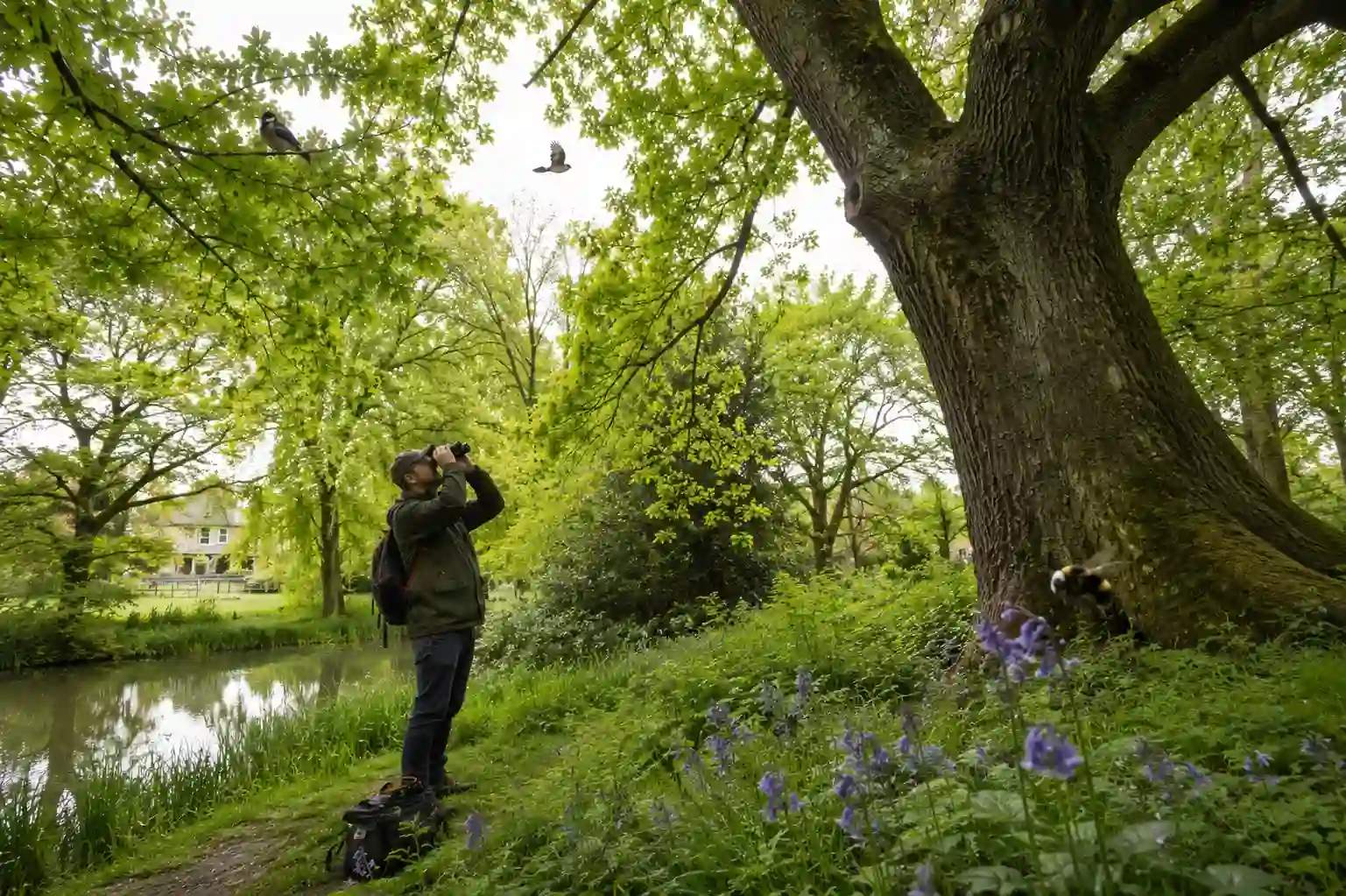
Native tree species play a critical role in maintaining healthy ecosystems across the UK. From supporting wildlife habitats and improving biodiversity to strengthening climate resilience and environmental sustainability, native trees provide long-term ecological benefits that are difficult to replicate with non-native species.
As urbanisation, habitat loss, and climate change continue affecting natural environments, interest in native tree planting and conservation has grown significantly. Councils, environmental planners, developers, and property owners increasingly recognise the importance of preserving native species as part of sustainable landscape and urban forestry strategies.
Whether planted in woodlands, parks, residential developments, or urban streetscapes, native trees help create healthier and more balanced ecosystems that support both wildlife and human communities.
What Are Native Tree Species?
Native tree species are trees that naturally evolved and established themselves within a particular region over thousands of years. In the UK, native species have adapted to local climate conditions, soil types, wildlife populations, and environmental systems.
Common native UK tree species include:
- Oak
- Silver Birch
- Rowan
- Field Maple
- Hornbeam
- Hawthorn
- Alder
- Scots Pine
Because native trees evolved alongside local wildlife, they often provide stronger ecological support compared to some imported ornamental species.
Native Trees Support Biodiversity
One of the biggest advantages of native tree species is their ability to support biodiversity. Birds, insects, fungi, pollinators, and mammals have developed close ecological relationships with native plants over long periods of time.
Healthy native tree populations help provide:
- Nesting habitats
- Food sources
- Pollinator support
- Wildlife shelter
- Ecological corridors
- Seasonal habitat diversity
Many urban planning projects now prioritise native species as part of broader urban biodiversity conservation initiatives.
Supporting local ecosystems through native planting also helps strengthen long-term ecological resilience within urban and rural landscapes.
Why Native Trees Perform Well in UK Conditions
Native species are naturally adapted to local weather conditions, soil structures, rainfall patterns, and seasonal cycles throughout the UK.
This often makes them:
- More resilient to local climate conditions
- Better suited to native soils
- More compatible with local ecosystems
- Lower maintenance over time
- More resistant to certain environmental stresses
Although climate change is creating new environmental challenges, many native species still provide strong long-term sustainability benefits when properly managed.
Professional arborists often integrate native planting into wider sustainable tree management strategies for urban and rural environments.
Native Trees Improve Urban Environments
Urban areas can place significant stress on ecosystems due to pollution, heat retention, habitat fragmentation, and reduced green space. Native tree species help restore ecological balance within towns and cities.
Urban native trees contribute to:
- Cleaner air
- Urban cooling
- Flood reduction
- Noise reduction
- Improved public wellbeing
- Stronger biodiversity networks
Many councils now integrate native tree planting into wider urban tree management programmes designed to strengthen long-term environmental resilience.
Supporting Pollinators and Urban Wildlife
Pollinators such as bees, butterflies, and other beneficial insects depend heavily on native plant systems for food and habitat support.
Native trees often produce flowers, berries, seeds, and bark structures that local wildlife species rely on throughout the year.
Healthy urban forests featuring native trees can help support:
- Bird populations
- Pollinator species
- Small mammals
- Beneficial insects
- Urban ecological corridors
These ecological benefits are increasingly important as cities expand and natural habitats become more fragmented.
Many sustainable planting projects now focus on strengthening trees and urban wildlife connections within urban landscapes.
Climate Change and Native Tree Conservation
Climate change is placing additional pressure on ecosystems throughout the UK. Rising temperatures, drought periods, storms, and changing pest patterns are all affecting tree health and environmental stability.
The evolving UK arboriculture industry increasingly recognises the importance of protecting diverse and resilient tree populations.
Native species contribute to climate resilience by:
- Supporting healthy ecosystems
- Reducing soil erosion
- Improving carbon storage
- Strengthening biodiversity networks
- Supporting sustainable land management
Protecting mature native trees is especially important because established canopy cover provides significant environmental benefits.
Native Trees and Sustainable Landscaping
Many landscape designers and environmental planners now prioritise native species within sustainable landscaping projects.
Native trees are commonly used in:
- Residential developments
- Urban parks
- Commercial landscaping
- Conservation projects
- Wildlife-friendly gardens
- Green infrastructure planning
Projects involving sustainable landscaping trees often incorporate native species to improve biodiversity and reduce long-term maintenance requirements.
The Importance of Professional Tree Management
Even native species require proper planning and maintenance to remain healthy and environmentally beneficial over time.
Professional arborists providing professional arboriculture services help property owners and organisations select appropriate species, monitor tree health, and manage long-term sustainability strategies.
Routine maintenance and tree health inspection programmes are especially important for identifying disease, structural issues, or environmental stress affecting native tree populations.
Technology Is Supporting Conservation Planning
Modern arboriculture and environmental planning increasingly rely on digital technology to support conservation and biodiversity management.
Common tools now used by arborists and councils include:
- GIS tree mapping systems
- Drone canopy surveys
- Digital tree inventories
- Environmental monitoring systems
- Biodiversity assessment tools
Many organisations now use digital tools for arborists to improve long-term planning and ecosystem monitoring.
The Future of Native Tree Conservation
As environmental sustainability becomes increasingly important across the UK, native tree species will continue playing a major role in conservation, urban planning, and climate resilience strategies.
According to the Woodland Trust, protecting native trees and woodlands is essential for supporting biodiversity, improving environmental resilience, and maintaining healthy ecosystems.
Future conservation efforts are likely to focus heavily on:
- Urban canopy expansion
- Biodiversity-focused planting
- Native woodland restoration
- Climate-resilient landscapes
- Long-term ecosystem protection
By protecting and planting native tree species today, communities can help create healthier and more sustainable environments for future generations.
