

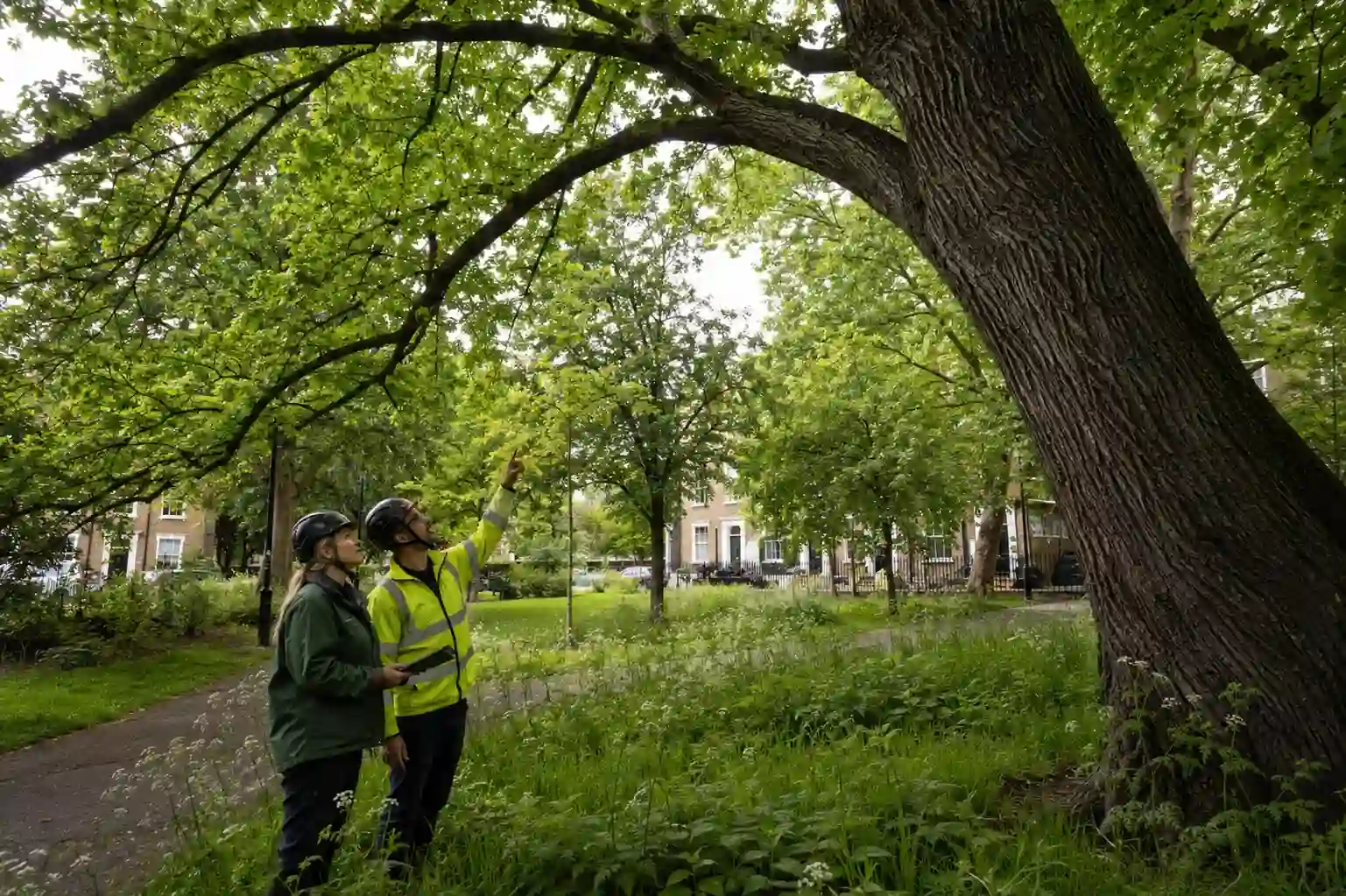
Trees are among the most important natural resources supporting environmental health and long-term ecological stability. Across the UK, trees help improve air quality, support biodiversity, regulate climate conditions, reduce flooding, and create healthier urban and rural landscapes.
However, increasing urban development, climate change, pollution, and habitat loss continue placing pressure on tree populations throughout the country. As environmental challenges grow, tree conservation has become increasingly important for protecting ecosystems, supporting sustainability, and preserving natural resources for future generations.
Modern conservation strategies now focus not only on planting new trees but also on protecting existing mature trees and maintaining healthy urban forests through sustainable long-term management.
What Is Tree Conservation?
Tree conservation involves the protection, preservation, and sustainable management of trees and woodland environments to maintain their environmental, ecological, and social value.
Conservation efforts may include:
- Protecting mature trees
- Preserving natural habitats
- Preventing unnecessary tree removal
- Managing urban forests sustainably
- Encouraging biodiversity
- Supporting climate resilience
- Protecting native species
Professional arborists and environmental planners often integrate sustainable tree management strategies into long-term conservation planning.
Why Trees Are Essential for Environmental Protection
Trees provide a wide range of environmental benefits that directly support healthier ecosystems and more sustainable communities.
Healthy tree populations help:
- Absorb carbon dioxide
- Improve air quality
- Reduce urban heat
- Prevent soil erosion
- Support wildlife habitats
- Improve water management
- Reduce flooding risks
- Strengthen biodiversity
Without effective conservation efforts, many of these environmental benefits could decline significantly over time.
Tree Conservation Supports Climate Resilience
Climate change is increasing environmental pressure on urban and rural landscapes throughout the UK. Rising temperatures, stronger storms, drought periods, and changing rainfall patterns are all affecting ecosystems and infrastructure.
Trees help reduce climate-related environmental impacts by storing carbon, cooling urban areas, and stabilising soil systems.
Large mature trees are particularly valuable because they:
- Store greater amounts of carbon
- Provide larger cooling canopies
- Improve urban climate regulation
- Support long-term environmental resilience
Many local authorities now prioritise tree conservation as part of broader urban environmental sustainability and climate adaptation policies.
Protecting Biodiversity and Wildlife
Trees provide essential habitats for birds, insects, pollinators, fungi, and small mammals. Healthy forests and urban green spaces support complex ecosystems that rely heavily on stable tree populations.
Tree conservation helps protect:
- Nesting habitats
- Pollinator corridors
- Food sources for wildlife
- Ecological diversity
- Urban ecosystem stability
Many conservation projects now focus heavily on native tree species because they often provide stronger ecological benefits for local wildlife systems.
Tree conservation also supports wider urban biodiversity conservation efforts aimed at strengthening ecosystems within towns and cities.
Urban Tree Conservation Is Increasingly Important
Urban trees face constant environmental pressure from pollution, compacted soil, construction work, restricted root space, and climate-related stress.
Without proper protection and maintenance, urban canopy cover can decline rapidly.
Urban tree conservation helps cities:
- Improve air quality
- Reduce urban heat island effects
- Create healthier public spaces
- Improve stormwater management
- Enhance visual environments
- Support public wellbeing
Many councils now integrate urban tree management strategies into planning policies to ensure long-term canopy protection and environmental resilience.
The Impact of Development and Construction
Construction and infrastructure projects are among the leading causes of tree loss in urban areas. Excavation, soil compaction, root damage, and land clearance can all negatively affect tree health.
Professional arborists often assist developers with:
- Tree surveys
- Root protection planning
- Arboricultural impact assessments
- Construction monitoring
- Long-term preservation strategies
Many projects now include tree preservation services to minimise unnecessary environmental damage during development work.
Tree Conservation and Public Health
Tree-filled environments contribute directly to healthier communities. Access to green spaces has been linked to reduced stress, improved mental wellbeing, and better overall environmental quality.
Trees also help:
- Reduce pollution exposure
- Encourage outdoor activity
- Lower urban temperatures
- Improve recreational spaces
- Reduce noise pollution
These public health benefits make tree conservation increasingly valuable within urban planning and community development strategies.
The Role of Professional Arborists
Successful conservation requires specialist knowledge of tree biology, environmental planning, disease management, and long-term sustainability.
Professional arborists providing professional arboriculture services help maintain healthy tree populations through inspections, preventative maintenance, and preservation planning.
Routine tree health inspection programmes are especially important for identifying disease, decay, and environmental stress before irreversible damage occurs.
Technology Is Improving Conservation Planning
Modern conservation projects increasingly rely on technology to improve environmental monitoring and long-term planning.
Common technologies used within arboriculture and conservation include:
- GIS tree mapping systems
- Drone canopy surveys
- Remote environmental sensors
- Digital tree inventories
- Climate resilience analysis tools
Many organisations now use digital tools for arborists to support more accurate environmental planning and sustainable urban forestry management.
Why Long-Term Conservation Planning Matters
Tree conservation is not only about protecting existing trees today. It is also about creating sustainable environmental systems that continue supporting communities and ecosystems in the future.
Long-term conservation planning helps:
- Strengthen climate resilience
- Protect biodiversity
- Improve urban sustainability
- Maintain ecological balance
- Support healthier public environments
According to the Forest Research organisation, healthy tree populations provide substantial environmental, social, and economic benefits across the UK.
The Future of Tree Conservation in the UK
As environmental pressures continue increasing, tree conservation will remain essential for protecting ecosystems, supporting biodiversity, and improving climate resilience throughout the UK.
Future conservation strategies are likely to place greater emphasis on:
- Urban canopy expansion
- Climate-resilient species selection
- Biodiversity-focused planning
- Sustainable urban forestry
- Long-term environmental protection
By investing in effective tree conservation today, communities can help create healthier, greener, and more sustainable environments for future generations.
