

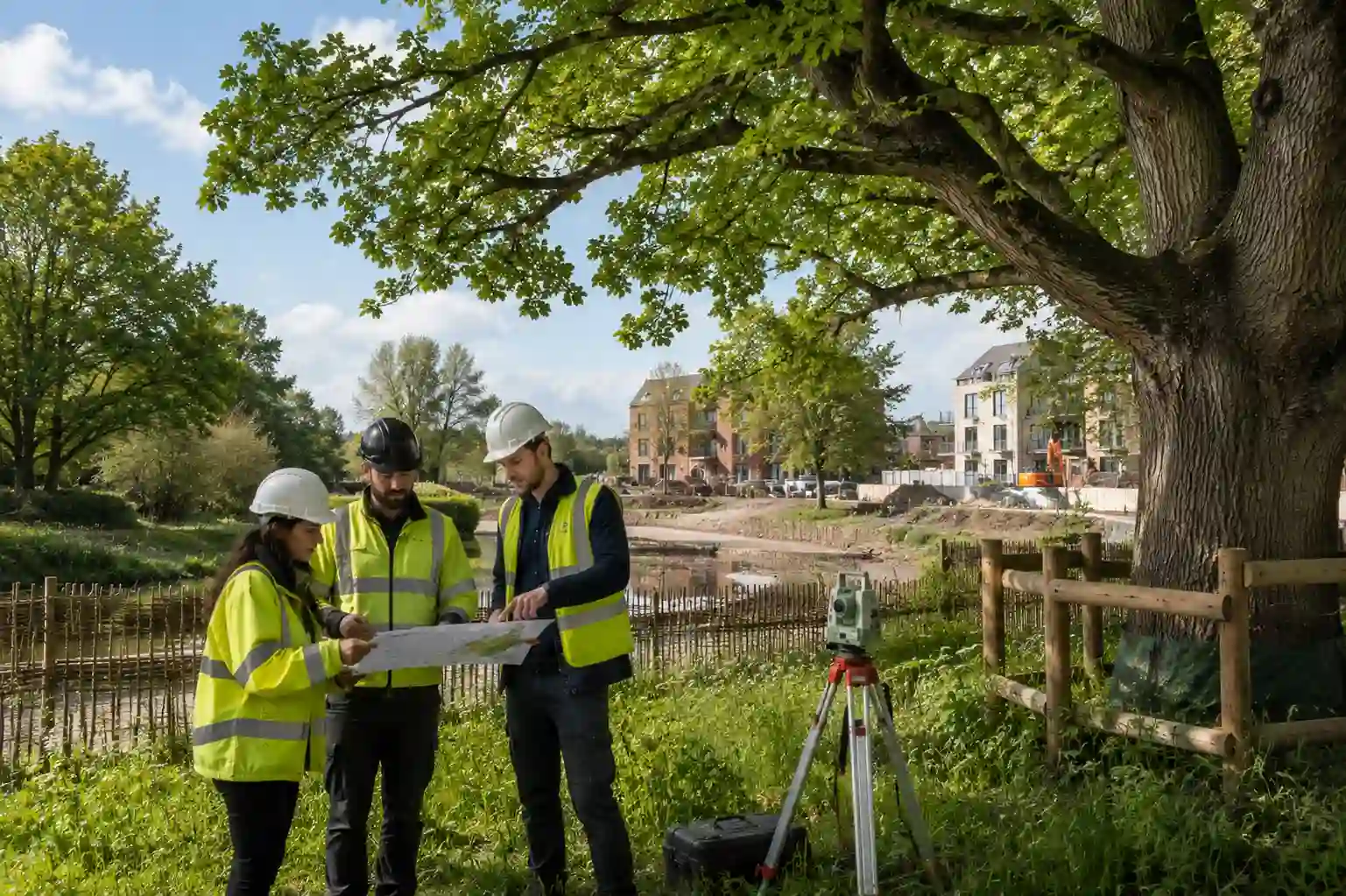
Land development projects play an essential role in supporting economic growth, housing expansion, infrastructure improvement, and urban regeneration across the UK. However, modern development also brings significant environmental responsibilities. Construction activity, land clearance, drainage changes, and infrastructure expansion can all affect ecosystems, biodiversity, water systems, and long-term environmental sustainability.
This is why environmental consulting services have become increasingly important within planning and development sectors. Environmental consultants help developers, property owners, local authorities, and investors identify environmental risks, meet legal requirements, and implement more sustainable development strategies.
Professional environmental consulting supports responsible land use while helping projects avoid costly delays, regulatory issues, and long-term environmental damage.
What Environmental Consulting Services Include
Environmental consulting involves specialist assessments, planning support, environmental monitoring, and sustainability guidance designed to minimise ecological impact during development projects.
Consultants may provide support in areas including:
- Environmental impact assessments
- Ecological surveys
- Tree and habitat protection
- Flood risk assessments
- Drainage planning
- Biodiversity management
- Contaminated land investigations
- Sustainability planning
Many projects also involve close collaboration with arborists providing professional arboriculture services to protect valuable urban trees and green infrastructure.
Why Environmental Planning Matters in Development
Modern planning regulations increasingly prioritise environmental sustainability and responsible land management. Developers are now expected to consider how projects may affect local ecosystems, wildlife habitats, drainage systems, and public health.
Environmental consulting helps developers:
- Reduce ecological damage
- Improve planning approval success
- Meet legal and environmental obligations
- Reduce long-term project risks
- Protect biodiversity
- Improve sustainability performance
Many local authorities now integrate environmental considerations directly into wider urban environmental sustainability strategies.
Environmental Impact Assessments Are Increasingly Important
One of the most important services provided by environmental consultants is the Environmental Impact Assessment (EIA).
An EIA evaluates how a proposed development may affect:
- Wildlife habitats
- Water systems
- Air quality
- Noise levels
- Soil stability
- Tree populations
- Local ecosystems
- Public health
Large or environmentally sensitive projects may legally require formal environmental impact assessment documentation before planning approval can proceed.
Early assessment allows developers to adjust project designs before costly environmental problems arise.
Protecting Trees and Green Infrastructure
Trees and green spaces are among the most valuable environmental assets within urban and suburban environments. Construction work can severely damage mature trees through excavation, soil compaction, root disturbance, and drainage changes.
Environmental consultants often work alongside arborists to protect:
- Mature trees
- Woodland habitats
- Urban canopy cover
- Ecological corridors
- Protected landscapes
Many projects now rely on tree preservation services and arboricultural planning strategies to reduce unnecessary environmental damage during construction.
Protecting green infrastructure also contributes to stronger long-term climate resilience within urban areas.
Biodiversity Protection and Habitat Conservation
Biodiversity loss is becoming a major environmental concern throughout the UK. Development projects can disrupt habitats used by birds, pollinators, insects, bats, and other protected species.
Environmental consultants help identify ecological risks and recommend mitigation strategies designed to preserve biodiversity.
Typical conservation measures may include:
- Habitat retention
- Wildlife corridor protection
- Native species planting
- Pollinator-friendly landscaping
- Seasonal construction restrictions
Many planning projects now integrate urban biodiversity conservation objectives into long-term sustainability strategies.
Flood Risk and Sustainable Drainage Planning
Flood prevention and water management are increasingly important in modern land development. Expanding hard surfaces can increase stormwater runoff and place pressure on drainage systems.
Environmental consultants frequently advise on:
- Sustainable drainage systems
- Surface water management
- Flood risk reduction
- Groundwater protection
- Soil permeability planning
Green infrastructure solutions such as tree planting, rain gardens, and permeable landscapes are increasingly used to improve environmental resilience.
Climate Change Is Reshaping Development Planning
Climate change is influencing planning regulations, sustainability standards, and environmental expectations across the UK.
Developers now face increasing pressure to address:
- Carbon reduction
- Climate resilience
- Flood adaptation
- Urban heat management
- Long-term environmental sustainability
The evolving UK arboriculture industry and environmental consulting sector are increasingly focused on climate-adaptive planning and sustainable land management practices.
Technology Is Improving Environmental Consulting
Modern environmental consulting increasingly relies on digital tools and advanced monitoring systems to improve assessment accuracy and project planning.
Common technologies now used by consultants include:
- GIS mapping systems
- Drone site surveys
- Environmental monitoring sensors
- Digital habitat modelling
- Remote landscape analysis
Many organisations now integrate digital tools for arborists and environmental data systems into long-term planning strategies.
The Economic Value of Environmental Consulting
Environmental consulting is not only about regulatory compliance. It also helps reduce financial risks associated with poor planning and environmental damage.
Professional environmental planning can help projects avoid:
- Planning delays
- Legal disputes
- Regulatory penalties
- Environmental remediation costs
- Negative public relations
- Unexpected construction complications
Early environmental planning often improves project efficiency while supporting stronger long-term sustainability outcomes.
Why Sustainable Development Depends on Environmental Expertise
As urban growth continues across the UK, balancing development with environmental protection will remain increasingly important.
Professional environmental consultants help developers create projects that are not only economically viable but also environmentally responsible and sustainable over time.
According to the Chartered Institute of Ecology and Environmental Management, responsible environmental planning plays a major role in protecting biodiversity and improving long-term sustainability outcomes.
Environmental consulting services will continue playing a critical role in helping future development projects protect ecosystems, strengthen climate resilience, and support healthier communities across the UK.
