

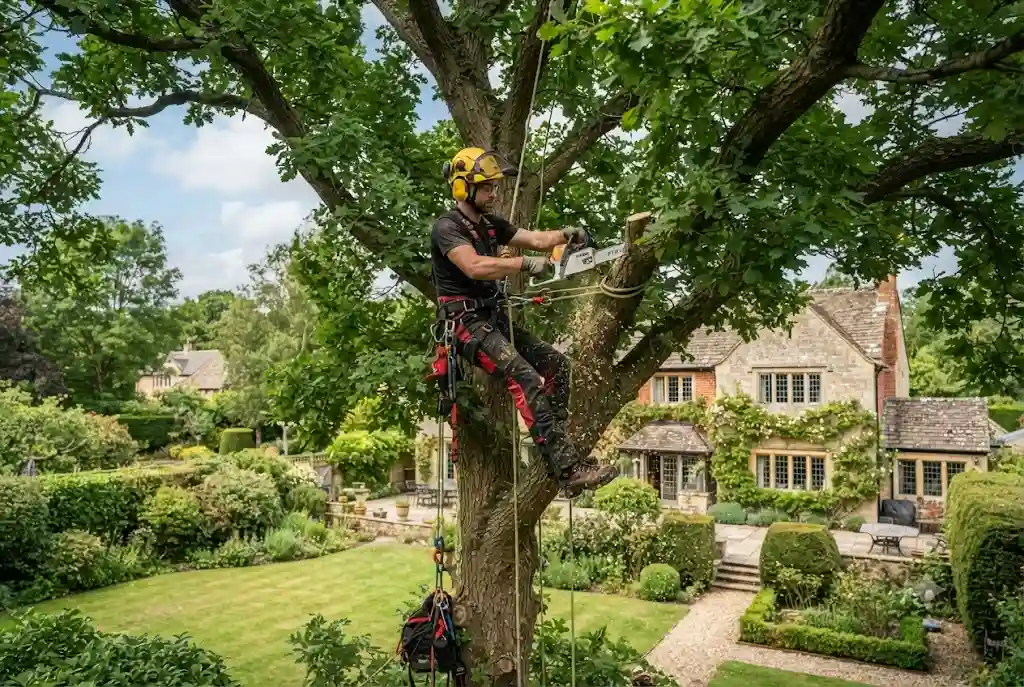
Tree pruning services are an essential part of responsible tree care, helping to improve the health, safety, and appearance of trees across residential and commercial properties. While mature trees provide shade, privacy, and environmental benefits, regular pruning ensures they remain structurally sound and continue to thrive without posing unnecessary risks.
Professional arborists use proven pruning techniques to remove damaged, diseased, or overcrowded branches while encouraging healthy growth. Whether you need routine maintenance, improved clearance around buildings, or better tree structure, expert tree pruning provides long-term benefits for both your landscape and the surrounding environment.
Why Tree Pruning Services Are Important
Healthy trees require periodic maintenance throughout their lifespan. Proper tree pruning services help maintain structural integrity while reducing the likelihood of branch failure during severe weather.
Professional pruning can:
- Improve tree health.
- Remove dead or diseased branches.
- Reduce safety risks.
- Increase sunlight penetration.
- Improve air circulation.
- Enhance the tree’s natural shape.
- Reduce interference with buildings and utilities.
Routine maintenance also allows arborists to identify potential problems before they become costly or dangerous.
Different Types of Tree Pruning
Professional arborists select pruning techniques based on each tree’s species, condition, age, and location.
Crown Reduction
Crown reduction decreases the overall size of the tree canopy while maintaining its natural appearance. This method is commonly used when trees have become too large for their surroundings or require additional clearance from nearby structures.
Crown Lifting
Crown lifting involves removing lower branches to create greater clearance above footpaths, roads, driveways, gardens, and buildings.
This technique improves visibility and access while preserving the tree’s overall health.
Crown Thinning
Crown thinning selectively removes smaller branches throughout the canopy to improve airflow and allow more natural light to pass through.
Unlike heavy pruning, thinning maintains the tree’s original size while reducing wind resistance and improving overall structure.
Deadwood Removal
Removing dead, dying, or damaged branches helps prevent falling limbs while reducing opportunities for decay and disease to spread.
Tree Trimming Services vs Tree Pruning
Many homeowners use the terms interchangeably, but tree trimming services and tree pruning serve slightly different purposes.
Tree trimming generally focuses on improving appearance and controlling growth, whereas tree pruning is performed to improve long-term health, structural stability, and safety.
Professional arborists determine the most appropriate approach based on the tree’s condition rather than simply cutting branches for cosmetic reasons.
When Should Trees Be Pruned?
The ideal pruning schedule depends on the species, age, and condition of the tree. Many trees benefit from maintenance during dormant seasons, although certain species require pruning at different times of the year.
Signs that pruning may be needed include:
- Dead or broken branches.
- Branches rubbing against each other.
- Dense canopies restricting sunlight.
- Low branches obstructing access.
- Storm damage.
- Unbalanced growth.
Regular inspections by qualified arborists help determine the most suitable maintenance schedule.
Benefits of Professional Tree Pruning
Professional pruning delivers advantages that extend far beyond appearance.
- Improves structural stability.
- Encourages healthy new growth.
- Extends tree lifespan.
- Reduces storm damage risks.
- Improves fruit production for suitable species.
- Enhances overall landscape appearance.
- Maintains property safety.
Well-maintained trees often require fewer major interventions later in life, making routine pruning a worthwhile long-term investment.
When Pruning Is Not Enough
Although pruning resolves many tree care issues, some trees become too diseased, unstable, or structurally compromised to preserve safely.
In these situations, professional tree removal services may provide the safest long-term solution.
Where removal is necessary in confined residential areas, experienced arborists frequently use controlled tree felling techniques to dismantle the tree safely while protecting nearby structures.
Safety During Tree Pruning
Tree pruning often involves working at height with specialist cutting equipment. Qualified arborists receive extensive training in climbing, aerial rescue, chainsaw operation, and risk assessment.
Professional equipment commonly includes:
- Climbing harnesses.
- Safety ropes.
- Rigging systems.
- Professional chainsaws.
- Protective helmets.
- Eye and hearing protection.
- Specialist pruning tools.
Using trained professionals significantly reduces the risk of accidents and property damage.
Environmental Benefits of Proper Tree Pruning
Healthy trees play an important role in supporting biodiversity, improving air quality, reducing urban heat, and providing habitats for wildlife.
Regular pruning helps preserve mature trees for many years while minimising unnecessary removals. Responsible arborists always aim to retain healthy trees wherever practical through appropriate maintenance.
Choosing a Professional Tree Pruning Company
When selecting an arborist, homeowners should look for:
- Relevant arboricultural qualifications.
- Public liability insurance.
- Experience with similar projects.
- Positive customer reviews.
- Modern safety equipment.
- Clear written quotations.
Choosing experienced professionals helps ensure pruning work is completed safely while maintaining the long-term health of the tree.
Conclusion
Tree pruning services are one of the most effective ways to protect valuable trees while improving safety, appearance, and long-term health. Whether your trees require crown reduction, crown lifting, crown thinning, or routine maintenance, professional arborists provide expert care tailored to each species and location.
Regular inspections and scheduled pruning help prevent major structural issues, reduce storm damage risks, and preserve the beauty of your landscape for years to come.
For more information on professional tree care standards and best practices, visit the Arboricultural Association.
