

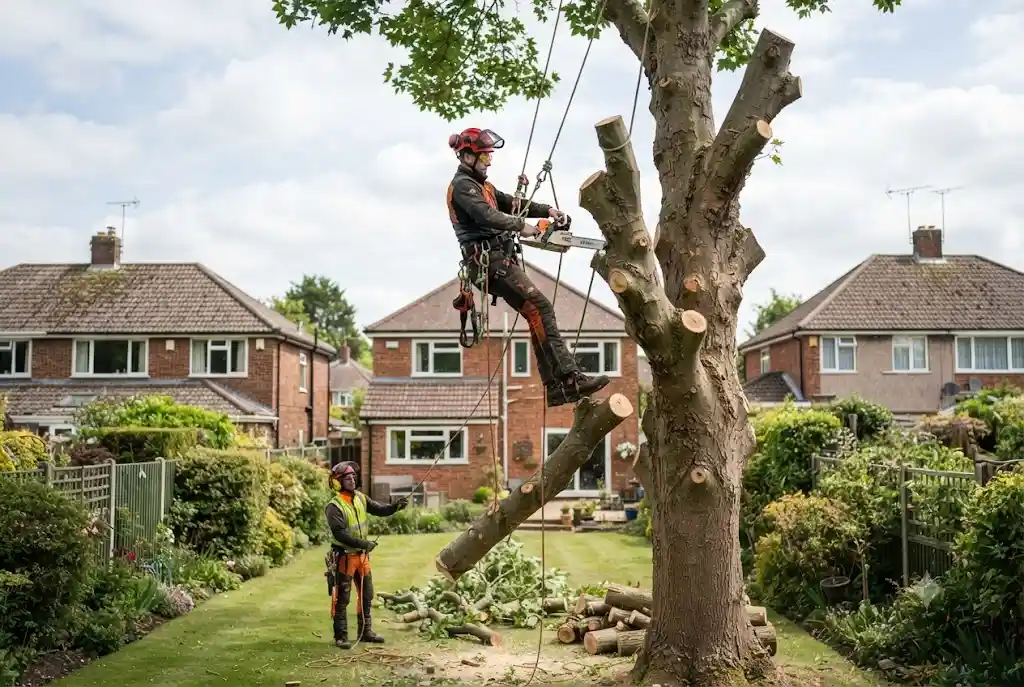
Trees add beauty, shade, and environmental value to homes and commercial properties, but there are times when tree removal services become essential. A diseased, storm-damaged, unstable, or poorly positioned tree can create significant safety risks and cause damage to buildings, driveways, fences, or neighbouring properties. Professional arborists have the expertise, equipment, and training needed to remove trees safely while protecting surrounding landscapes.
Whether you are searching for tree removal near me, planning a residential landscaping project, or dealing with an emergency after severe weather, understanding the removal process helps you make informed decisions. This guide explains when tree removal is appropriate, what the process involves, and why professional services offer the safest and most reliable solution.
Why Tree Removal Services May Be Necessary
Although preserving healthy trees is always preferable, removal is sometimes the most responsible option. Qualified arborists assess each situation carefully before recommending removal.
Dead or Dying Trees
Dead trees gradually lose structural strength, making branches more likely to fall without warning. Removing them promptly reduces the risk of injury and property damage.
Storm Damage
High winds, heavy snow, and lightning can weaken tree structures. Cracked trunks, split limbs, or uprooted trees often require immediate professional assessment and, in many cases, emergency tree removal.
Disease or Pest Infestation
Certain fungal infections and pests can permanently weaken a tree. Removing infected specimens may also help protect nearby healthy trees from further spread.
Construction or Landscaping Projects
Sometimes trees interfere with extensions, new driveways, garden redesigns, or utility installations. Professional removal ensures minimal disruption to the surrounding area.
How Professional Tree Removal Services Work
Every project begins with a detailed inspection. Arborists evaluate the tree’s condition, size, location, surrounding structures, and access before selecting the safest removal method.
Initial Site Assessment
The arborist identifies hazards, checks for preservation restrictions where applicable, and plans the safest removal strategy.
Safety Preparation
The work area is secured to protect nearby buildings, vehicles, pedestrians, and gardens before any cutting begins.
Controlled Dismantling
Large trees are usually dismantled section by section using specialist climbing equipment, ropes, and rigging systems rather than simply cutting them down in one piece.
Waste Removal
Branches, timber, and debris are removed from the site or processed into wood chips where appropriate, leaving the property clean and tidy.
Residential Tree Removal
Residential tree removal often requires extra care due to nearby homes, fences, sheds, conservatories, and landscaped gardens. Professional arborists use precision techniques to minimise disruption while protecting surrounding property.
Homeowners commonly request removals when trees:
- Have outgrown available space.
- Threaten roofs or foundations.
- Block excessive sunlight.
- Cause recurring property maintenance issues.
- Become structurally unsafe.
For trees that do not require complete removal, selective maintenance may be a better option. Services such as tree pruning services can improve tree health while reducing potential hazards.
Emergency Tree Removal
Severe weather can create dangerous situations that require immediate attention. Emergency tree removal helps restore safety after storms, fallen limbs, or unstable trees threaten people or property.
Common emergency situations include:
- Storm-damaged trees.
- Trees leaning dangerously.
- Split trunks.
- Large broken branches.
- Trees blocking roads or driveways.
Fast professional response helps minimise additional damage while ensuring the tree is removed safely.
Tree Cutting Services vs Complete Removal
Many people assume every problematic tree requires removal, but that is not always the case. Professional tree cutting services include a range of solutions depending on the tree’s condition.
In some situations, selective pruning or crown reduction restores tree health without removing the entire tree. Where structural damage is too severe, complete removal becomes the safest option.
If a tree requires controlled dismantling because of its height or location, specialist tree felling techniques may be used to complete the work safely.
Choosing Local Tree Removal Specialists
Searching for local tree removal companies gives property owners access to professionals who understand regional tree species, local council guidance, and UK safety standards.
When selecting a contractor, consider:
- Relevant arboricultural qualifications.
- Public liability insurance.
- Experience with similar projects.
- Modern safety equipment.
- Positive customer reviews.
- Clear written quotations.
Choosing experienced arborists helps ensure the work is completed efficiently while protecting your property and surrounding landscape.
What Influences Tree Removal Costs?
The cost of tree removal depends on several factors rather than a fixed price.
- Tree height and diameter.
- Tree species.
- Location and accessibility.
- Nearby buildings or power lines.
- Required climbing or crane equipment.
- Waste disposal requirements.
- Urgency of the work.
A professional site inspection provides the most accurate quotation based on your property’s specific circumstances.
Why Professional Tree Removal Is Safer
Tree removal involves significant risks, particularly for mature trees located near buildings or roads. Professional arborists receive specialist training in climbing, rigging, chainsaw operation, and risk management.
Attempting large-scale removal without proper expertise can result in:
- Serious personal injury.
- Damage to neighbouring properties.
- Utility line accidents.
- Uncontrolled tree falls.
- Expensive repair costs.
Professional services prioritise safety at every stage while ensuring the work complies with current UK industry standards.
Environmental Responsibility
Responsible tree care extends beyond removal. Whenever possible, arborists recommend preserving healthy trees through ongoing maintenance rather than unnecessary removal. When removal is unavoidable, timber and green waste are often recycled into wood chips, mulch, biomass fuel, or other sustainable products.
Guidance from the Arboricultural Association also highlights the importance of qualified tree management and responsible arboricultural practices throughout the UK.
Conclusion
Professional tree removal services help property owners maintain safe, attractive, and well-managed outdoor spaces. Whether you need residential tree removal, emergency assistance after severe weather, or expert advice on managing mature trees, qualified arborists provide safe and efficient solutions tailored to each property’s needs.
Working with experienced professionals ensures every project is carefully planned, safely executed, and completed with minimal disruption. Regular inspections and appropriate maintenance also help reduce future risks while protecting the long-term health of your landscape.
