

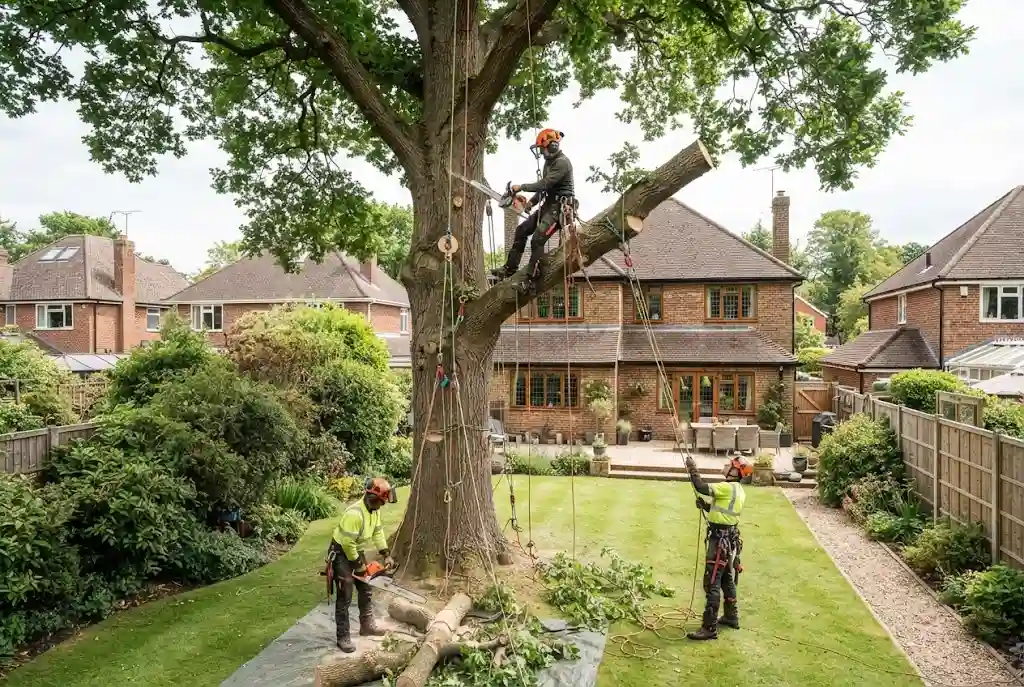
Removing trees from garden spaces is sometimes necessary to improve safety, create more usable outdoor areas, or prepare for landscaping projects. While mature trees can enhance the beauty and value of a property, unhealthy, damaged, or poorly positioned trees may eventually become a risk to buildings, neighbouring gardens, and underground services.
Whether you need to remove a small ornamental tree or a large mature specimen, understanding the process helps you make informed decisions. Professional arborists assess each tree individually to determine whether complete removal is necessary or if alternative tree care options can preserve its health while addressing your concerns.
When Is Removing Trees from Garden Necessary?
Not every tree requires removal. In many situations, professional maintenance is enough to improve safety and encourage healthy growth. However, complete removal may be recommended when a tree presents significant risks or no longer serves its intended purpose.
Dead or Dying Trees
Dead trees become structurally unstable over time. Falling branches or complete tree failure can create serious hazards, particularly in residential gardens where people regularly use outdoor spaces.
Storm Damage
Strong winds and severe weather can weaken trunks, split large limbs, or destabilise root systems. Trees that have suffered extensive storm damage often require professional assessment to determine whether removal is the safest option.
Limited Garden Space
Some trees eventually outgrow their surroundings, reducing natural light, crowding patios, or interfering with future landscaping plans.
Root Damage
Expanding roots may affect paving, retaining walls, drainage systems, or nearby structures. Removing the tree may prevent further structural problems.
Can Every Garden Tree Be Removed?
Before deciding to remove a garden tree, it is important to understand that some trees are legally protected within the UK. Trees covered by Tree Preservation Orders (TPOs) or located within conservation areas may require permission from the local authority before work begins.
Professional arborists can advise whether permission is required and help ensure the project complies with local regulations.
Professional Garden Tree Removal Process
The Professional garden tree removal follows a structured process designed to maximise safety while protecting nearby buildings, fences, lawns, and neighbouring properties.
Site Inspection
The arborist assesses the tree’s health, size, condition, access points, and surrounding hazards before preparing a removal plan.
Safety Preparation
The work area is secured, and equipment is positioned to ensure debris can be managed safely throughout the operation.
Controlled Tree Dismantling
Large garden trees are rarely felled in one piece. Instead, experienced climbers remove branches and trunk sections gradually using ropes and rigging equipment.
Waste Clearance
Branches, timber, and debris are cleared from the property, leaving the garden ready for its next stage of development.
Remove a Garden Tree or Prune It?
Many homeowners assume complete removal is the only solution, but this is not always the case. Healthy trees often benefit from maintenance rather than removal.
Professional tree pruning services can improve tree health, reduce excessive growth, remove hazardous branches, and enhance appearance without sacrificing the environmental benefits mature trees provide.
If structural damage or disease is too severe, however, complete removal becomes the safest long-term solution.
Domestic Tree Removal for Residential Properties
Domestic tree removal requires specialist knowledge because residential gardens often contain sheds, greenhouses, fences, conservatories, play areas, and neighbouring properties nearby.
Qualified arborists use specialist climbing techniques, lowering systems, and precision cutting methods to safely dismantle trees without unnecessary damage to the surrounding landscape.
Garden Tree Removal Cost
One of the most common questions homeowners ask concerns garden tree removal cost. The final price varies depending on several important factors.
- Tree height and width
- Species and condition
- Garden accessibility
- Nearby structures
- Equipment required
- Waste removal
- Stump removal requirements
A site survey allows an arborist to provide an accurate quotation based on the complexity of the work rather than relying on estimates.
Removing Unwanted Trees Responsibly
Removing unwanted trees should always balance practical needs with environmental responsibility. Healthy trees contribute to biodiversity, improve air quality, and provide valuable wildlife habitats.
Where possible, arborists recommend maintenance before removal. If removal is unavoidable, timber and green waste are often recycled into mulch, biomass fuel, or wood products to reduce environmental impact.
Safe Equipment Used by Professional Arborists
Professional contractors use specialist equipment designed specifically for safe tree work.
- Climbing harnesses
- Rigging ropes
- Chainsaws with protective systems
- Wood chippers
- Lowering devices
- Personal protective equipment (PPE)
This equipment allows large trees to be dismantled safely even in confined residential gardens.
Why You Should Avoid DIY Tree Removal
Attempting to remove large trees without the necessary experience can be extremely dangerous. Improper cutting techniques may result in uncontrolled falls, serious injuries, or costly property damage.
Professional tree removal services provide the training, insurance, and specialist equipment needed to complete the work safely while complying with UK safety standards.
Preparing Your Garden After Tree Removal
Once the tree has been removed, homeowners may wish to improve the area through new planting, landscaping, lawn restoration, or decorative features. Some projects also require stump grinding to create a level surface for patios, planting beds, or garden redesigns.
Conclusion
Removing trees from garden spaces requires careful planning, professional expertise, and a strong focus on safety. Whether you’re removing a hazardous tree, improving your garden layout, or addressing structural concerns, experienced arborists can recommend the most appropriate solution for your property.
By choosing qualified professionals, homeowners benefit from safe working practices, responsible waste management, and expert guidance that protects both their property and the surrounding environment.
For additional guidance on responsible tree management and industry standards, visit the Arboricultural Association.
