

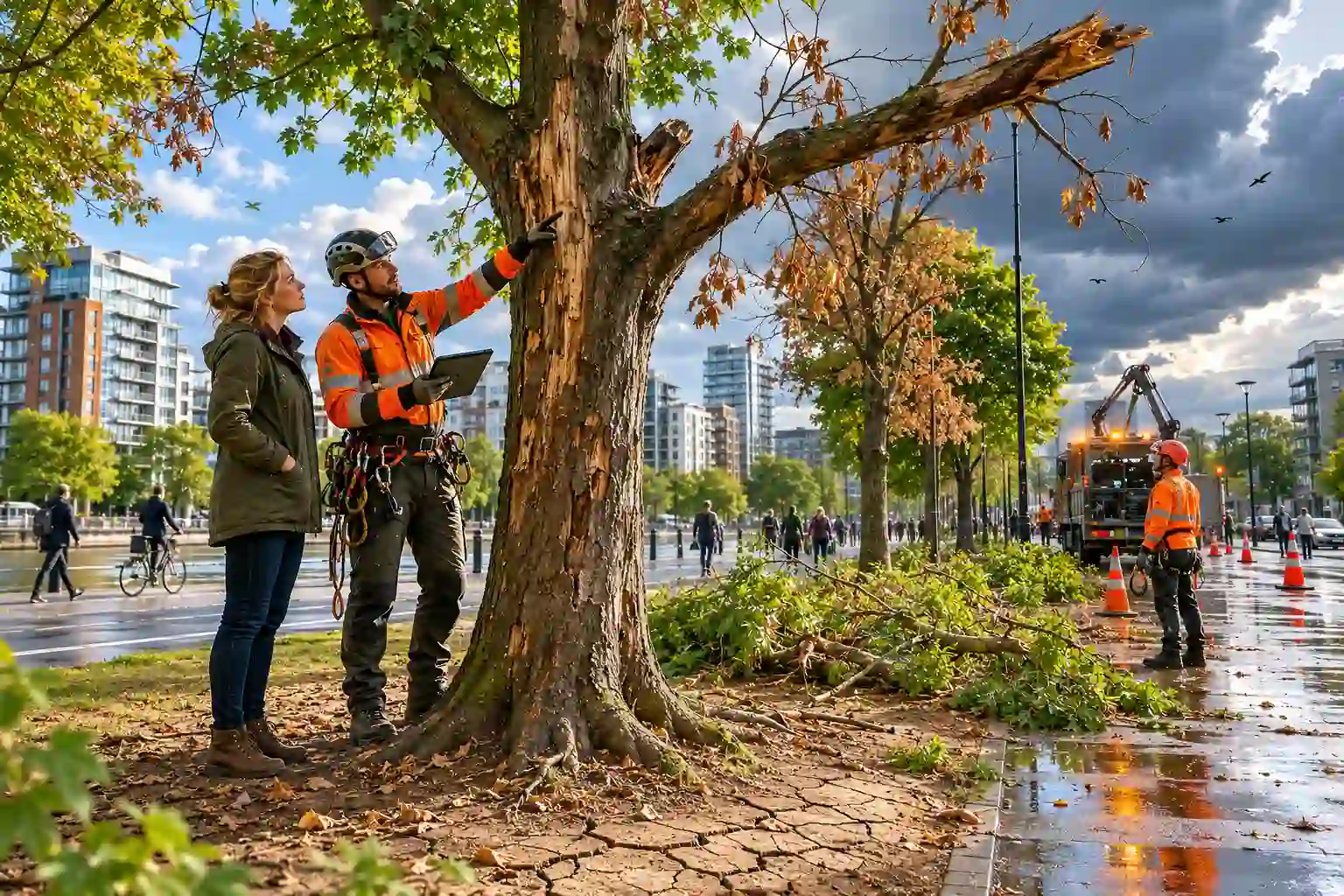
Climate change is reshaping landscapes, ecosystems, and urban environments across the UK, creating significant challenges for the arboriculture sector. Rising temperatures, prolonged drought periods, stronger storms, flooding, and emerging tree diseases are all placing increasing pressure on urban and rural tree populations.
For arborists, local authorities, developers, and environmental planners, climate change is no longer a future concern. It is already influencing how trees are selected, maintained, protected, and managed throughout the country.
The modern UK arboriculture industry is rapidly adapting to these environmental changes by adopting new technologies, sustainable management strategies, and climate-resilient planting approaches. As cities continue expanding and environmental pressures intensify, professional arboriculture has become increasingly important in protecting long-term urban sustainability.
Why Climate Change Matters for Arboriculture
Trees play a vital role in reducing the effects of climate change. Healthy urban forests help absorb carbon dioxide, improve air quality, reduce heat island effects, manage stormwater runoff, and support biodiversity.
However, climate-related stress is making tree management more complex than ever before. Many tree species commonly planted across the UK are now facing conditions outside their traditional environmental tolerance levels.
Professional arborists are seeing increased cases of:
- Drought stress
- Premature leaf loss
- Storm-related structural failure
- Root instability caused by flooding
- Heat damage in urban environments
- Emerging pests and fungal diseases
- Declining resilience among mature trees
These challenges are forcing the industry to rethink traditional tree management strategies and prioritise long-term environmental resilience.
Extreme Weather Events Are Increasing Tree Risks
One of the most visible impacts of climate change is the increase in extreme weather events across the UK. Stronger storms and high winds are causing more structural damage to urban trees, particularly mature specimens already weakened by disease or poor growing conditions.
Heavy rainfall and flooding can also destabilise root systems, especially in areas with compacted urban soil or inadequate drainage infrastructure.
As a result, many councils, businesses, and property owners are increasing investment in tree risk assessment programmes to identify vulnerable trees before serious incidents occur.
Routine inspections and preventative maintenance are becoming essential parts of responsible urban tree management.
Drought and Heat Stress in Urban Areas
Urban environments naturally retain more heat than surrounding rural areas due to concrete surfaces, road networks, and building density. Climate change is intensifying these urban heat island effects, placing additional stress on trees growing in towns and cities.
Extended dry periods can reduce tree vitality, weaken root systems, and make trees more susceptible to pests and disease.
Young trees are especially vulnerable during establishment periods when root systems are not fully developed.
Many arborists now recommend drought-tolerant and climate-resilient species as part of modern sustainable tree management strategies designed for long-term urban sustainability.
The Rise of Tree Pests and Diseases
Changing climate conditions are also contributing to the spread of pests and diseases throughout the UK. Warmer temperatures can create favourable conditions for invasive insects, fungal pathogens, and bacterial infections that previously struggled to survive in British climates.
Some of the major concerns affecting the arboriculture industry include:
- Ash dieback
- Oak processionary moth
- Phytophthora diseases
- Acute oak decline
- Dutch elm disease management
Professional arborists increasingly rely on advanced monitoring systems, early diagnosis, and professional tree care programmes to minimise large-scale tree loss.
Early intervention is particularly important in urban environments where disease outbreaks can quickly spread between closely planted tree populations.
How Urban Forestry Strategies Are Evolving
Urban forestry planning is becoming more sophisticated as councils and environmental organisations respond to climate pressures. Rather than focusing solely on aesthetics, modern urban forestry strategies now prioritise resilience, biodiversity, and long-term environmental performance.
Many local authorities are expanding urban canopy targets and integrating urban tree management policies into broader climate adaptation plans.
Current priorities often include:
- Increasing species diversity
- Planting climate-resilient trees
- Improving soil health
- Expanding green infrastructure
- Protecting mature trees
- Enhancing biodiversity corridors
Urban forestry initiatives are also closely linked to wider urban environmental sustainability goals across UK cities.
The Importance of Tree Preservation
As environmental pressures increase, preserving mature trees has become more valuable than ever. Large established trees provide significantly greater environmental benefits compared to newly planted saplings.
Mature trees:
- Store more carbon
- Provide larger cooling canopies
- Support more wildlife habitats
- Improve air quality more effectively
- Reduce surface water runoff
This is why developers and planners increasingly rely on tree preservation services during construction and infrastructure projects.
Protecting existing healthy trees is often more environmentally beneficial than replacing them after removal.
Technology Is Helping Arborists Adapt
Technology is playing a growing role in climate-responsive arboriculture. Modern arborists now use drones, GIS mapping systems, digital tree inventories, and remote monitoring tools to track tree health more efficiently.
Many firms are also investing in digital tools for arborists that improve inspection accuracy, maintenance planning, and long-term environmental monitoring.
These technologies help arborists make data-driven decisions that support sustainability and reduce unnecessary tree loss.
Why Sustainable Arboriculture Matters
The future of the UK arboriculture industry will depend heavily on sustainable practices that balance environmental protection, public safety, and urban development.
Professional arborists are increasingly expected to support:
- Climate adaptation planning
- Biodiversity conservation
- Urban cooling initiatives
- Flood prevention strategies
- Green infrastructure expansion
- Long-term tree resilience
According to the Forest Research organisation, urban trees provide substantial environmental and economic benefits when managed effectively and sustainably.
The Future of the UK Arboriculture Industry
Climate change is transforming the way arborists, planners, and local authorities approach tree management throughout the UK. Traditional maintenance practices alone are no longer enough to address the growing environmental challenges facing urban forests.
The industry is moving toward more resilient, science-based, and sustainability-focused approaches that prioritise long-term environmental value alongside public safety.
As climate pressures continue evolving, professional arboriculture will remain essential for protecting urban green spaces, supporting biodiversity, and helping UK cities adapt to a changing environmental future.
