

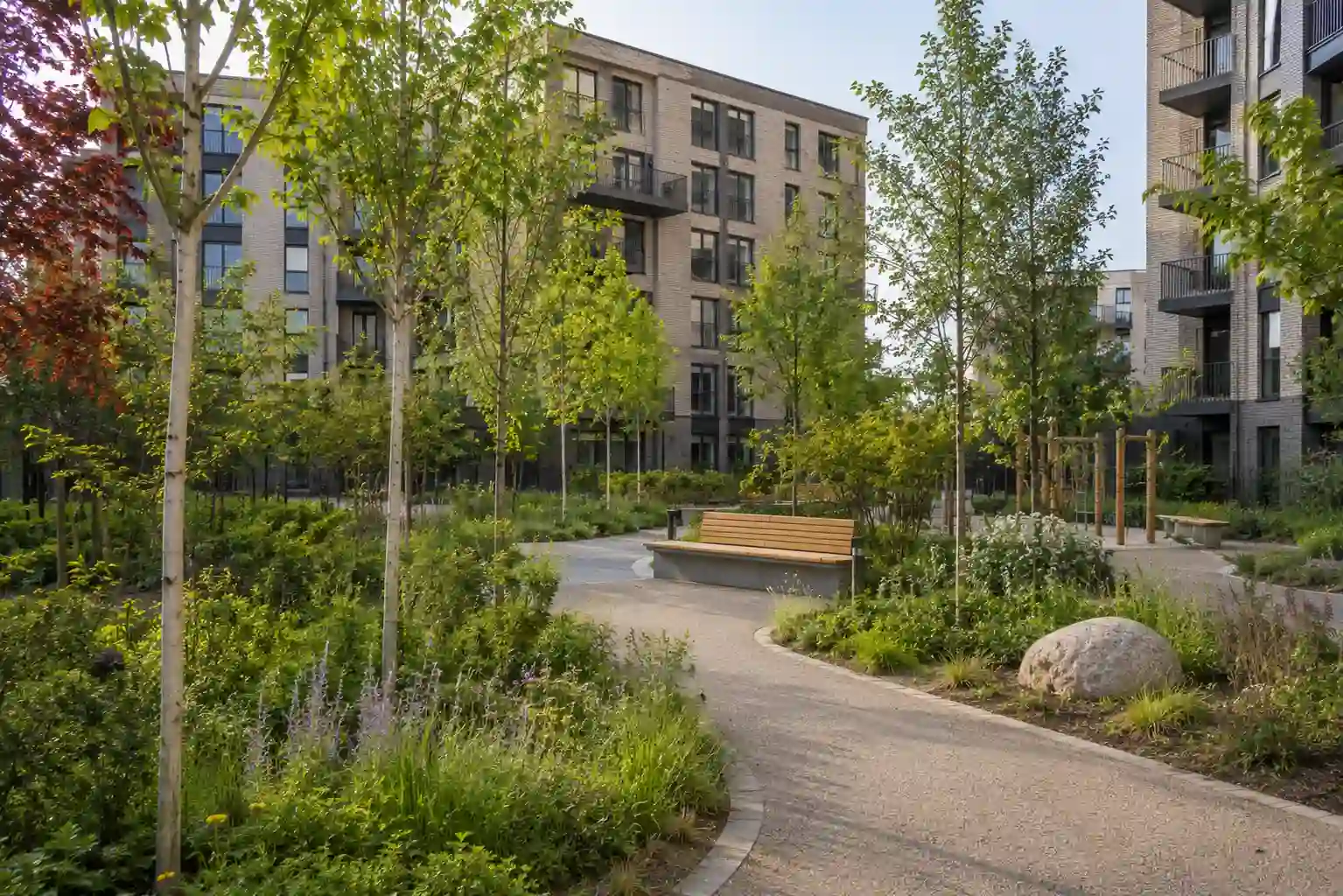
Sustainable landscaping is becoming a major priority for property owners, developers, and local councils across the UK. As urban areas continue expanding, well-planned green spaces are essential for improving environmental quality, reducing heat buildup, supporting biodiversity, and creating healthier outdoor environments.
Trees are one of the most important elements of sustainable landscaping. The right tree species can improve air quality, provide natural cooling, support wildlife habitats, reduce flooding risks, and enhance the visual appeal of both residential and commercial properties.
However, sustainable landscaping involves more than simply planting trees. Long-term success depends on selecting species that are well suited to urban environments, climate conditions, soil quality, and maintenance requirements.
Professional arborists and landscape designers increasingly focus on resilient, low-maintenance, and environmentally beneficial tree species as part of modern sustainable landscaping strategies.
Why Sustainable Landscaping Matters in Urban Areas
Urban environments often face environmental challenges including pollution, excessive surface heat, poor drainage, and reduced biodiversity. Sustainable landscaping helps address these problems by integrating natural systems into urban design.
Well-planned urban tree planting can:
- Reduce urban heat island effects
- Improve air quality
- Support wildlife habitats
- Increase property value
- Improve stormwater management
- Create healthier outdoor spaces
- Enhance long-term environmental sustainability
Many councils and developers now integrate urban environmental sustainability goals into landscaping and planning projects to support greener cities across the UK.
What Makes a Tree Suitable for Sustainable Landscaping?
Not every tree performs well in urban conditions. Sustainable landscaping focuses on selecting species that can thrive despite pollution, restricted root space, compacted soil, and changing climate conditions.
Ideal sustainable landscaping trees typically offer:
- Strong climate resilience
- Low maintenance requirements
- Good drought tolerance
- Resistance to common pests and diseases
- Long lifespan
- Wildlife and biodiversity support
- Compatibility with urban infrastructure
Professional arborists often recommend species based on local environmental conditions, property size, and long-term landscape planning objectives.
Silver Birch
Silver Birch is one of the most popular sustainable landscaping trees in the UK. Its elegant appearance, moderate size, and adaptability make it well suited to urban gardens, parks, and commercial landscapes.
Silver Birch supports biodiversity by attracting insects and birds while also tolerating a wide range of soil conditions.
Its relatively light canopy allows sunlight to reach surrounding plants, making it an excellent choice for mixed planting schemes.
Field Maple
Field Maple is a resilient native species commonly used in sustainable urban landscaping projects. It performs well in urban environments and offers attractive seasonal colour throughout the year.
This species is valued for:
- Strong tolerance to pollution
- Compact growth habit
- Wildlife support benefits
- Adaptability to smaller urban spaces
Native species like Field Maple also contribute positively to native tree species conservation initiatives and local ecosystem stability.
Hornbeam
Hornbeam is increasingly used in sustainable landscaping due to its durability and tolerance for urban stress conditions. It handles pruning well and is often planted along streets, pathways, and urban developments.
Its dense foliage provides effective shade and noise reduction while helping improve urban air quality.
Hornbeam also performs well in areas with compacted soil where some other species may struggle.
Rowan
Rowan trees are highly valued for their ornamental appearance and environmental benefits. Their berries attract birds and pollinators, helping support urban biodiversity throughout the year.
Rowan trees are especially suitable for:
- Smaller urban gardens
- Residential developments
- Wildlife-friendly landscaping
- Sustainable community projects
As urban biodiversity becomes a growing priority, trees that support trees and urban wildlife initiatives are increasingly important in landscape planning.
London Plane Tree
The London Plane tree has long been associated with urban landscapes throughout the UK. It is particularly valued for its ability to tolerate pollution and difficult city conditions.
This species performs well along busy roads, commercial districts, and public spaces where air quality and environmental resilience are major concerns.
Although large in size, London Plane trees provide exceptional shade and contribute significantly to urban cooling strategies.
Choosing Climate-Resilient Tree Species
Climate change is influencing tree selection decisions across the landscaping and arboriculture industries. Longer drought periods, stronger storms, and changing disease patterns are forcing planners to prioritise resilience.
Many landscape professionals now work closely with professional arboriculture services to identify species capable of adapting to future climate conditions.
Species diversity is also becoming more important to reduce the risks associated with pests and disease outbreaks affecting single-species populations.
Tree Placement and Long-Term Planning
Sustainable landscaping requires careful planning beyond species selection alone. Poor tree placement can eventually lead to root damage, blocked drainage systems, structural conflicts, or excessive maintenance costs.
Professional landscaping and arboricultural planning helps ensure trees have:
- Adequate root space
- Proper soil conditions
- Safe distance from buildings
- Appropriate drainage
- Sufficient canopy clearance
Many property owners now combine sustainable planting strategies with professional landscaping benefits to improve both environmental performance and long-term property value.
The Environmental Benefits of Urban Trees
Urban trees provide far-reaching environmental advantages that extend beyond aesthetics alone. Properly managed green infrastructure helps create healthier and more resilient communities.
According to the Forest Research organisation, urban trees help improve air quality, reduce flood risk, and support climate adaptation across UK towns and cities.
Healthy urban trees also contribute directly to:
- Carbon storage
- Urban cooling
- Noise reduction
- Pollinator support
- Stormwater control
- Mental wellbeing
These benefits make sustainable landscaping an increasingly important part of modern urban planning and environmental policy.
Why Professional Guidance Matters
Successful sustainable landscaping requires long-term planning, species knowledge, and professional maintenance strategies. Choosing unsuitable species or poor planting locations can create expensive problems in the future.
Professional arborists and landscape designers help property owners create greener, healthier, and more sustainable outdoor spaces that remain practical and visually attractive for decades.
As environmental awareness continues growing across the UK, sustainable landscaping trees will play a major role in supporting biodiversity, improving urban resilience, and shaping more environmentally responsible communities.
