

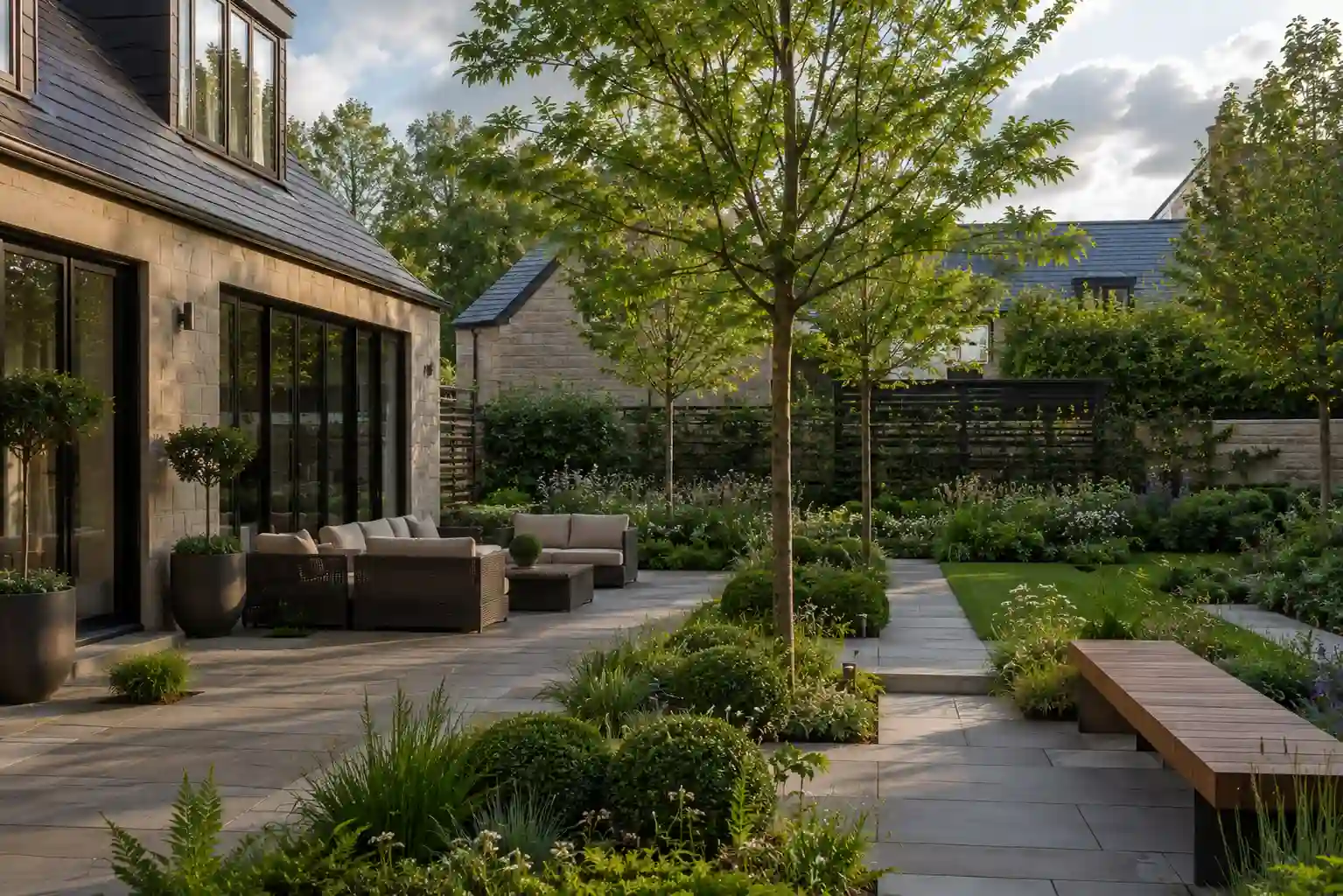
Professional landscaping has become far more than a cosmetic upgrade for modern properties. Across the UK, homeowners, developers, and commercial property owners are increasingly investing in professionally designed outdoor spaces to improve property value, environmental performance, and long-term usability.
Well-planned landscaping creates visually appealing environments while also delivering practical benefits such as improved drainage, increased biodiversity, enhanced privacy, and better outdoor functionality. In urban areas especially, professionally landscaped spaces can significantly improve the quality of life for residents, employees, and visitors.
Whether for residential gardens, commercial developments, hospitality venues, or public spaces, professional landscaping plays a key role in shaping healthier and more sustainable environments.
Why Landscaping Matters for Modern Properties
First impressions have a major influence on how a property is perceived. Poorly maintained outdoor areas can reduce visual appeal and negatively affect property value, while attractive landscaping helps create a welcoming and well-managed appearance.
In competitive property markets, professionally landscaped outdoor spaces can:
- Increase kerb appeal
- Improve resale value
- Create usable outdoor living areas
- Enhance environmental sustainability
- Reduce maintenance problems
- Improve drainage and soil stability
- Support biodiversity and urban greenery
Modern landscaping is increasingly connected to broader urban environmental sustainability goals as UK cities prioritise greener and healthier urban spaces.
How Professional Landscaping Increases Property Value
Professionally designed landscapes often provide a strong return on investment by improving both appearance and functionality. Buyers and tenants are more likely to be attracted to properties with well-maintained outdoor areas that require minimal future work.
High-quality landscaping can make properties appear:
- More spacious
- Better maintained
- More environmentally conscious
- More private and secure
- More suitable for outdoor living
Commercial properties also benefit from landscaping improvements. Attractive outdoor environments can enhance brand image, customer experience, and employee wellbeing while creating a more professional overall appearance.
The Role of Trees in Professional Landscaping
Trees are often the foundation of successful landscaping projects. They provide structure, shade, visual balance, and environmental benefits that improve outdoor environments over time.
Professional landscape designers frequently work alongside arborists to select sustainable landscaping trees that suit local conditions and long-term maintenance goals.
Proper tree placement can help:
- Reduce summer heat
- Improve privacy
- Lower energy costs
- Reduce noise pollution
- Enhance biodiversity
- Create natural focal points
Tree selection is particularly important in urban environments where space limitations, drainage systems, and climate resilience must all be considered carefully.
Sustainable Landscaping Is Becoming a Priority
Environmental sustainability is now a major focus within the landscaping industry. Property owners increasingly want outdoor spaces that are not only attractive but also environmentally responsible and cost-effective to maintain.
Sustainable landscaping practices may include:
- Native plant selection
- Drought-tolerant landscaping
- Rainwater management systems
- Pollinator-friendly planting
- Permeable paving solutions
- Low-maintenance planting schemes
Many projects now integrate sustainable tree management strategies to support long-term urban resilience and environmental performance.
Landscaping and Outdoor Living Spaces
Outdoor living spaces have become increasingly valuable for modern homeowners and businesses. Professionally landscaped gardens, courtyards, and communal areas create additional usable space while improving overall property functionality.
Popular landscaping features include:
- Patios and seating areas
- Garden pathways
- Outdoor lighting
- Water features
- Privacy planting
- Green walls and vertical gardens
For hospitality venues, restaurants, and commercial developments, attractive outdoor environments can directly influence customer satisfaction and property usage.
Supporting Biodiversity Through Landscaping
Professional landscaping also contributes to local biodiversity and wildlife conservation. Carefully selected planting schemes help create habitats for birds, pollinators, and beneficial insects within urban environments.
Many landscape professionals now prioritise planting strategies that support urban biodiversity conservation and ecological resilience.
Native species, flowering plants, and wildlife-friendly tree selection all help strengthen local ecosystems while improving environmental quality in densely populated areas.
Drainage and Flood Prevention Benefits
Landscaping can also play an important role in reducing surface water problems and improving drainage performance.
Hard surfaces such as concrete and paving increase runoff during heavy rainfall, which can contribute to flooding and drainage system overload.
Professionally designed landscapes often incorporate:
- Permeable surfaces
- Rain gardens
- Natural drainage channels
- Soil improvement strategies
- Tree planting for water absorption
These solutions help properties adapt to changing weather conditions while supporting wider climate resilience objectives.
Technology Is Changing Modern Landscaping
The landscaping industry is increasingly adopting digital technology to improve planning, maintenance, and long-term landscape management.
Modern projects may involve:
- 3D landscape visualisation
- Smart irrigation systems
- Digital site surveys
- Drone-based landscape analysis
- Automated maintenance monitoring
Many firms now use smart landscaping technology to improve efficiency and sustainability across residential and commercial projects.
The Importance of Professional Expertise
Successful landscaping requires more than planting trees and laying paving. Soil conditions, drainage, climate exposure, plant compatibility, maintenance needs, and long-term growth patterns must all be carefully considered.
Professional landscapers and arborists provide the technical expertise needed to create outdoor spaces that remain functional, attractive, and environmentally sustainable over time.
They also help property owners avoid common issues such as poor drainage, unsuitable planting, root damage, and excessive maintenance costs.
Long-Term Benefits of Professional Landscaping
Professional landscaping delivers long-term value that extends far beyond aesthetics alone. Well-designed outdoor spaces improve environmental quality, support biodiversity, increase property appeal, and create healthier living and working environments.
According to the Royal Horticultural Society, green spaces contribute positively to both environmental sustainability and personal wellbeing.
As urban areas continue evolving across the UK, professional landscaping will remain an essential part of creating more attractive, sustainable, and resilient communities.
