

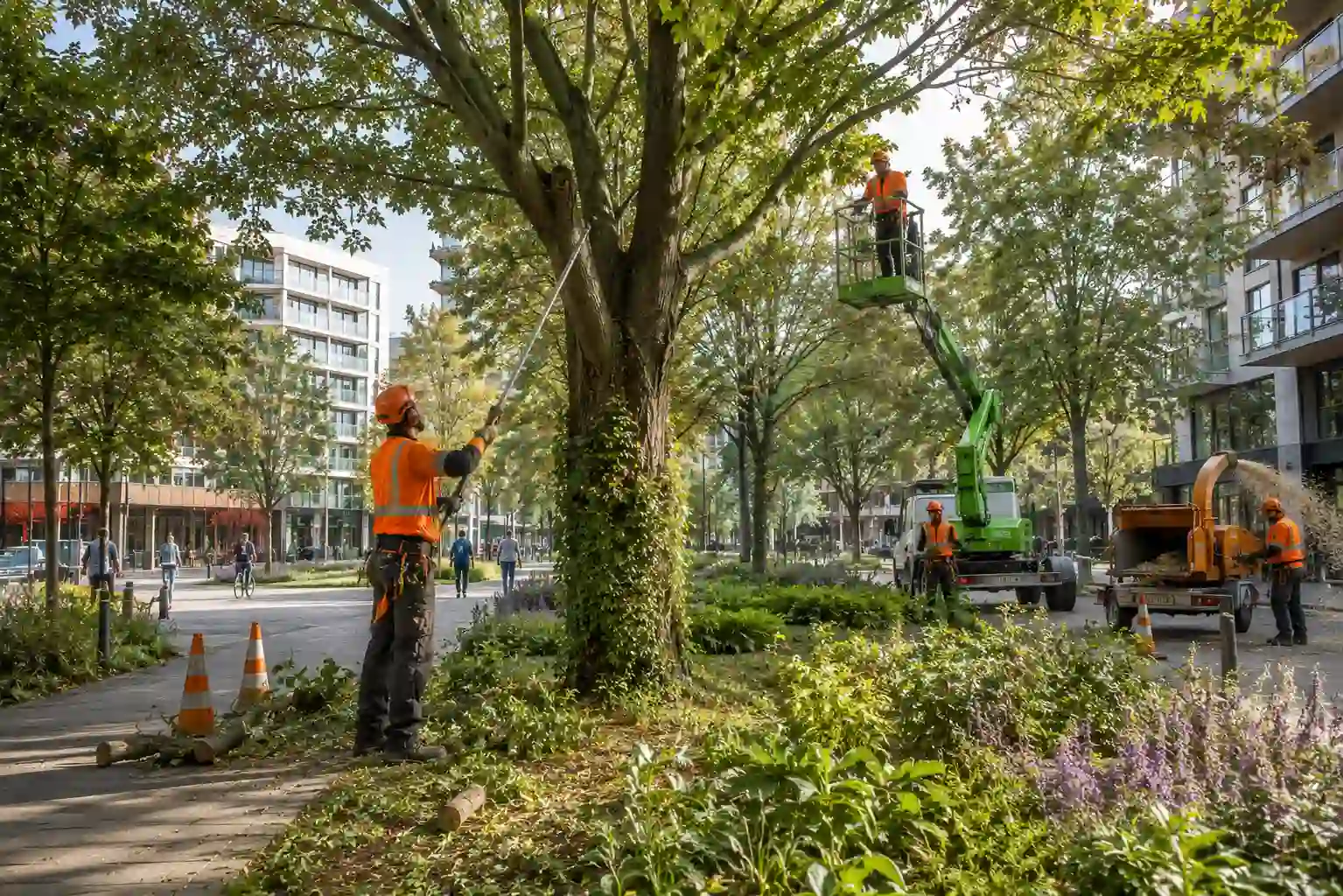
As cities across the UK continue expanding, the importance of healthy urban trees has never been greater. Trees provide critical environmental, social, and economic benefits that help modern cities remain sustainable, resilient, and liveable. However, maintaining urban tree populations requires more than occasional pruning or reactive maintenance. It requires a long-term, strategic approach known as sustainable tree management.
Sustainable tree management focuses on protecting and maintaining urban trees in ways that balance environmental health, public safety, urban development, and future climate resilience. From reducing pollution and flood risks to improving biodiversity and public wellbeing, effective tree management has become a key part of modern urban planning.
Across the UK, local authorities, developers, property owners, and environmental planners are increasingly prioritising sustainable tree strategies as part of broader environmental and climate adaptation policies.
What Is Sustainable Tree Management?
Sustainable tree management involves the long-term care, preservation, and strategic planning of trees within urban and rural environments. The goal is to maximise environmental and social benefits while ensuring trees remain healthy, safe, and suitable for changing urban conditions.
This approach includes:
- Routine tree inspections
- Preventative maintenance
- Species diversity planning
- Climate resilience strategies
- Tree preservation during development
- Urban canopy expansion
- Soil and root protection
- Biodiversity support
Professional arborists often provide professional arboriculture services to help organisations and property owners implement sustainable long-term tree management plans.
Why Trees Matter in Modern Cities
Urban trees contribute significantly to environmental quality and public health. As towns and cities become more densely developed, trees help counter many of the environmental pressures associated with urbanisation.
Healthy urban trees can:
- Improve air quality
- Reduce urban heat island effects
- Store carbon dioxide
- Reduce noise pollution
- Support wildlife habitats
- Manage stormwater runoff
- Improve mental wellbeing
- Enhance property value
These benefits make trees an essential component of urban environmental sustainability initiatives across the UK.
Climate Change Is Increasing the Need for Sustainable Management
Climate change is creating new challenges for urban tree populations. Increased storms, prolonged drought periods, rising temperatures, and changing pest patterns are placing additional stress on trees throughout the UK.
Traditional maintenance approaches are often no longer enough to protect urban forests under these changing environmental conditions.
The evolving UK arboriculture industry is increasingly focused on climate resilience, species diversity, and long-term environmental adaptation.
Sustainable tree management helps cities prepare for these challenges by prioritising resilient planting strategies, proactive monitoring, and improved environmental planning.
The Importance of Species Diversity
Relying heavily on a small number of tree species can create serious environmental risks. Disease outbreaks or invasive pests can quickly damage large portions of urban tree populations if diversity is limited.
Modern sustainable management strategies encourage greater species diversity to improve resilience and ecosystem stability.
Many urban forestry programmes now prioritise a mixture of:
- Native tree species
- Climate-resilient species
- Drought-tolerant varieties
- Pollinator-friendly trees
- Disease-resistant species
Using diverse planting schemes also supports wider tree conservation and biodiversity objectives.
Protecting Trees During Urban Development
Construction and infrastructure projects are among the biggest threats to mature urban trees. Excavation work, soil compaction, root disturbance, and drainage changes can severely affect long-term tree health.
Sustainable tree management involves integrating tree protection into planning and development processes from the earliest stages.
Professional arborists frequently support developers through:
- Tree surveys
- Root protection planning
- Arboricultural impact assessments
- Construction monitoring
- Long-term landscape planning
Many projects now include tree preservation services to reduce unnecessary tree loss and maintain valuable urban canopy cover.
Urban Trees and Public Health
Research increasingly shows that urban green spaces positively affect both physical and mental wellbeing. Trees improve urban environments by reducing pollution, lowering temperatures, and creating more attractive public spaces.
Access to green environments has also been linked to:
- Reduced stress levels
- Improved mental health
- Encouraged outdoor activity
- Better community wellbeing
- Improved air quality exposure
These public health benefits make sustainable tree management an important part of modern city planning and community development.
The Role of Technology in Sustainable Tree Management
Modern technology is helping arborists and local authorities manage urban tree populations more efficiently. Digital systems now allow organisations to monitor tree condition, schedule maintenance, and assess environmental performance more accurately.
Many councils and arboricultural firms use:
- GIS tree mapping systems
- Drone inspections
- Digital tree inventories
- Remote monitoring sensors
- Predictive maintenance software
Advanced digital tools for arborists are improving long-term planning while helping reduce unnecessary removals and maintenance costs.
Biodiversity and Wildlife Protection
Urban trees play a major role in supporting wildlife habitats and biodiversity. Birds, insects, pollinators, and small mammals all depend on healthy urban green spaces for shelter and food sources.
Sustainable management practices help maintain ecological balance while supporting wider urban biodiversity conservation efforts.
Many local authorities are now incorporating biodiversity targets into tree planting and landscape planning strategies to strengthen urban ecosystems.
The Economic Value of Sustainable Tree Management
Well-managed urban trees provide substantial economic benefits over time. Healthy trees can help reduce energy costs through natural cooling, increase property desirability, and lower flood mitigation expenses.
According to the Forest Research organisation, urban trees contribute significant environmental and economic value when properly maintained.
Investing in preventative maintenance and sustainable planning is often far more cost-effective than dealing with emergency removals, storm damage, or declining urban canopy cover later.
The Future of Sustainable Urban Forestry
As UK cities continue growing, sustainable tree management will remain central to creating healthier, greener, and more climate-resilient urban environments.
Future urban forestry strategies are likely to place even greater emphasis on:
- Climate adaptation
- Green infrastructure expansion
- Urban cooling initiatives
- Biodiversity protection
- Sustainable development planning
- Long-term environmental resilience
Professional arborists, environmental planners, and local authorities will continue playing a critical role in protecting urban trees and ensuring future generations benefit from healthier and more sustainable cities.
