

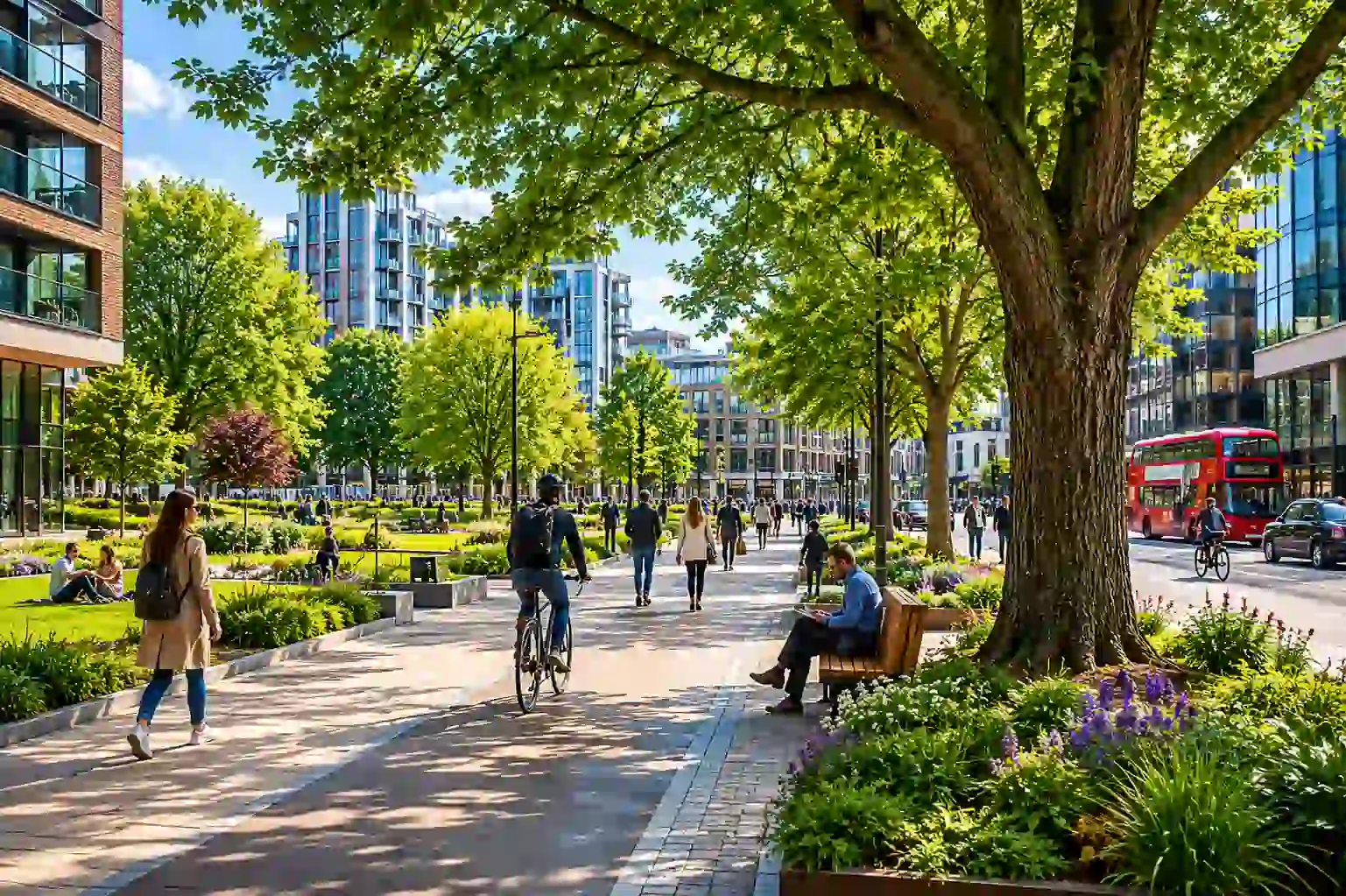
Urban forestry has become one of the most important components of sustainable city planning across the UK. As urban populations continue growing, towns and cities face increasing challenges related to air pollution, rising temperatures, biodiversity loss, and public health concerns. Urban forests help address these issues by creating healthier, greener, and more environmentally resilient urban environments.
An urban forest includes all trees, green corridors, parks, woodlands, and landscaped vegetation located within towns and cities. Properly managed urban forests provide substantial environmental, social, and economic benefits that directly improve quality of life for residents and communities.
Modern urban forestry is no longer viewed simply as aesthetic landscaping. It is now considered essential infrastructure that supports long-term environmental sustainability, climate resilience, and public wellbeing.
Why Urban Forestry Matters in Modern Cities
Urban development often reduces natural green space while increasing pollution, traffic congestion, and heat retention from roads and buildings. Trees help restore environmental balance within densely populated areas by improving ecological conditions and supporting healthier living environments.
Healthy urban forests contribute to:
- Cleaner air
- Lower urban temperatures
- Improved biodiversity
- Flood prevention
- Reduced noise pollution
- Better public wellbeing
- Enhanced property appeal
- Climate resilience
Many councils and planners now integrate sustainable tree management strategies into wider urban development and environmental planning policies.
How Urban Trees Improve Air Quality
Air pollution remains a serious concern in many UK cities, particularly in areas with heavy traffic and industrial activity. Pollutants such as nitrogen dioxide, fine particulate matter, and carbon emissions can negatively affect both environmental quality and human health.
Urban trees help improve air quality by filtering pollutants and trapping airborne particles on leaves and bark surfaces.
Trees also:
- Absorb carbon dioxide
- Release oxygen
- Reduce airborne dust
- Improve local microclimates
- Lower pollution exposure near roads
Strategically planted urban forests can be especially effective near schools, residential developments, commercial districts, and busy transport corridors.
Many urban greening projects now support broader urban environmental sustainability objectives focused on cleaner and healthier cities.
The Public Health Benefits of Urban Forestry
Urban green spaces have a direct impact on both physical and mental health. Access to tree-filled environments can improve overall wellbeing while encouraging healthier lifestyles and outdoor activity.
Research increasingly links urban greenery with:
- Reduced stress levels
- Improved mental health
- Lower exposure to pollution
- Increased physical activity
- Improved social wellbeing
- Reduced urban heat stress
Tree-lined streets, public parks, and accessible green spaces create more pleasant and liveable urban environments for communities.
As cities become more densely populated, the health benefits of urban forestry are becoming increasingly valuable.
Urban Trees Help Reduce Heat
Urban areas often experience significantly higher temperatures than surrounding rural environments due to concrete surfaces, road networks, and dense infrastructure. This is known as the urban heat island effect.
Trees help cool urban areas naturally through shade and evapotranspiration.
Well-positioned urban trees can:
- Reduce surface temperatures
- Lower building cooling costs
- Create shaded public spaces
- Improve pedestrian comfort
- Reduce heat-related health risks
As climate change increases heat stress across UK cities, urban forestry will continue playing a major role in climate adaptation planning.
Supporting Urban Biodiversity
Urban forests provide critical habitats for birds, insects, pollinators, and other wildlife species. Without healthy green infrastructure, biodiversity within cities can decline rapidly.
Trees support wildlife by providing:
- Nesting habitats
- Food sources
- Ecological corridors
- Pollinator support
- Seasonal shelter
Many urban forestry projects now prioritise native tree species because they often provide stronger ecological benefits for local wildlife systems.
Urban forestry also contributes directly to wider urban biodiversity conservation initiatives aimed at strengthening urban ecosystems.
Flood Prevention and Stormwater Management
Heavy rainfall and surface water flooding are growing concerns across many UK urban areas. Trees help reduce flood risks by absorbing rainfall and slowing stormwater runoff.
Healthy root systems improve soil stability and increase water infiltration into the ground, reducing pressure on urban drainage infrastructure.
Modern urban forestry planning often incorporates:
- Rain gardens
- Permeable green spaces
- Urban woodland expansion
- Green corridors
- Sustainable drainage systems
These strategies help improve long-term environmental resilience within cities.
The Role of Professional Arborists
Healthy urban forests require professional management to remain safe, sustainable, and environmentally effective.
Qualified arborists providing professional arboriculture services help maintain tree health through inspections, pruning, disease management, and long-term planning.
Routine maintenance is especially important in urban areas where trees grow near roads, buildings, public pathways, and utilities.
Professional management also helps reduce risks associated with storm damage, disease outbreaks, and declining tree stability.
Technology Is Transforming Urban Forestry
Modern urban forestry increasingly relies on digital technology to improve planning and maintenance efficiency.
Common technologies now used by arborists and councils include:
- GIS tree mapping systems
- Drone inspections
- Remote environmental monitoring
- Digital tree inventories
- Canopy analysis software
Advanced digital tools for arborists help improve urban forest management while supporting data-driven sustainability planning.
The Economic Benefits of Urban Forestry
Urban forests also provide substantial economic value over time. Healthy green spaces can increase property desirability, support tourism, reduce cooling costs, and improve overall urban attractiveness.
Well-maintained urban greenery may also help reduce healthcare costs by improving environmental quality and public wellbeing.
According to the Forest Research organisation, urban trees provide significant long-term environmental and economic benefits when properly managed.
The Future of Urban Forestry in the UK
Urban forestry will continue becoming increasingly important as UK cities respond to climate change, environmental pressures, and public health challenges.
Future urban forestry strategies are likely to focus heavily on:
- Urban canopy expansion
- Climate-resilient planting
- Biodiversity enhancement
- Green infrastructure planning
- Sustainable development integration
- Public health improvement
By investing in healthy urban forests today, cities can create cleaner, greener, and healthier environments that benefit future generations for decades to come.
