

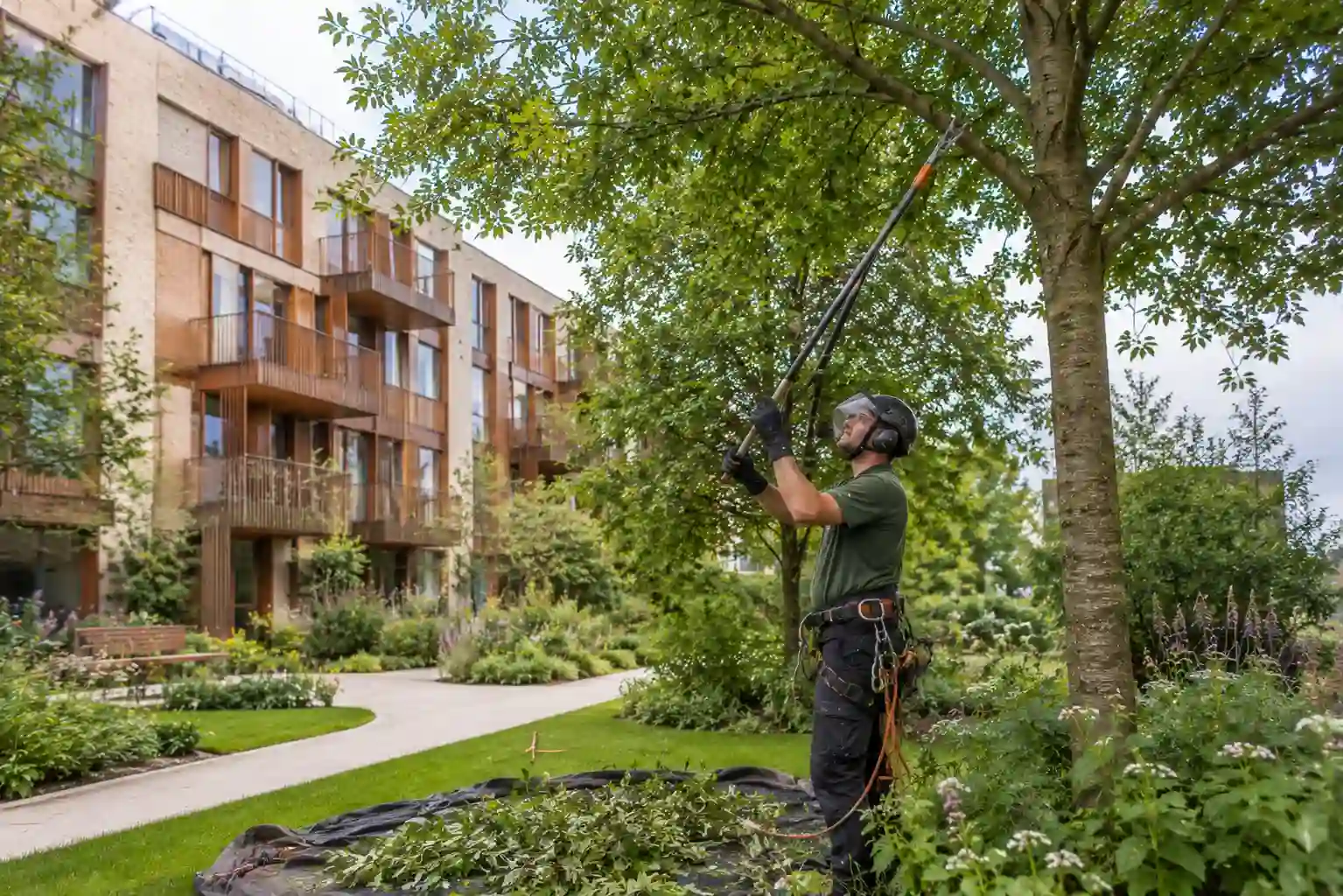
Healthy trees are one of the most valuable assets in both urban and residential environments. They improve air quality, enhance outdoor spaces, support biodiversity, and contribute significantly to long-term environmental sustainability. However, trees require proper care and maintenance throughout the year to remain healthy, safe, and resilient.
Professional tree care involves far more than occasional pruning or watering. Seasonal inspections, preventative maintenance, soil management, and early disease detection all play a critical role in supporting healthy tree growth.
Across the UK, homeowners, businesses, local authorities, and developers increasingly rely on professional arborists to maintain healthy urban tree populations while reducing long-term maintenance risks and environmental damage.
Why Regular Tree Care Matters
Trees in urban environments face constant stress from pollution, compacted soil, restricted root space, changing weather conditions, and nearby construction activity. Without proper maintenance, these pressures can weaken trees over time and increase the risk of disease, decay, or structural failure.
Routine professional tree care helps:
- Improve long-term tree health
- Reduce safety hazards
- Prevent disease spread
- Encourage healthy growth
- Protect property and infrastructure
- Improve tree appearance
- Support biodiversity and sustainability
Many property owners now integrate regular maintenance into broader sustainable tree management plans to protect valuable urban trees over the long term.
Seasonal Tree Care Is Essential
Different seasons create different challenges for trees. Effective care strategies should adapt throughout the year to support healthy growth and resilience.
Spring Tree Care
Spring is one of the most important periods for tree maintenance. As trees enter active growth stages, arborists often inspect for winter damage, pest activity, and early signs of disease.
Common spring maintenance tasks include:
- Mulching around root zones
- Light pruning of damaged branches
- Soil improvement
- Watering during dry periods
- Monitoring new growth
Spring inspections also help identify structural issues before summer growth becomes more extensive.
Summer Tree Care
Summer heat and drought conditions can place significant stress on urban trees, especially younger specimens with limited root development.
Professional arborists often recommend:
- Deep watering during prolonged dry periods
- Monitoring for heat stress
- Checking for pest infestations
- Inspecting soil moisture levels
- Maintaining mulch coverage
Urban trees are particularly vulnerable to heat stress due to the urban heat island effect affecting many UK cities.
Autumn Tree Care
Autumn is an ideal time for preventative maintenance and structural assessment before winter storms arrive.
Key autumn tree care activities may include:
- Structural pruning
- Tree risk assessments
- Deadwood removal
- Root zone inspections
- Preparing young trees for winter
Many property owners arrange tree risk assessment inspections during autumn to identify weak branches or structural concerns before severe weather conditions develop.
Winter Tree Care
The Winter is often the best time for larger pruning operations because many tree species enter dormant growth stages.
Winter maintenance may involve:
- Crown reduction work
- Structural pruning
- Storm damage inspection
- Tree preservation planning
- Disease monitoring
Reduced foliage during winter also allows arborists to inspect structural branch systems more effectively.
The Importance of Proper Pruning
Pruning is one of the most important aspects of professional tree care, but incorrect pruning can severely damage tree health.
Professional arborists use approved techniques to:
- Remove dead or dangerous branches
- Improve structural balance
- Reduce overcrowding
- Encourage healthy growth patterns
- Maintain clearance near buildings and roads
Poor pruning practices such as excessive crown removal or improper cutting techniques can increase stress, weaken tree structure, and create entry points for disease.
Qualified arborists providing professional arboriculture services understand how different species respond to pruning and seasonal maintenance.
Watering and Soil Health
Healthy soil is essential for healthy trees. Compacted or nutrient-poor soil can restrict root development and reduce long-term tree vitality.
Professional tree care often includes:
- Soil aeration
- Organic mulching
- Nutrient management
- Drainage improvement
- Root zone protection
Proper watering is equally important, particularly for newly planted or drought-stressed trees.
Deep, infrequent watering is generally more beneficial than shallow daily watering because it encourages stronger root development.
Early Detection of Disease and Pests
Early diagnosis is one of the most effective ways to protect tree health. Many diseases and pests become far more difficult to manage once serious damage has occurred.
Professional arborists inspect trees for signs including:
- Leaf discolouration
- Premature leaf drop
- Fungal growth
- Bark damage
- Deadwood formation
- Unusual canopy thinning
Routine tree health inspection services help identify problems early while reducing the risk of widespread decline.
Protecting Trees During Construction Work
Construction activity can seriously damage healthy trees if proper precautions are not taken. Root disturbance, soil compaction, and excavation work can all reduce long-term tree stability and health.
Professional arborists often assist developers and property owners with:
- Root protection planning
- Construction impact assessments
- Protective fencing installation
- Tree monitoring during development
Many projects now incorporate protecting mature trees strategies to preserve valuable urban canopy cover during development work.
Technology Is Improving Modern Tree Care
Technology is helping arborists manage tree health more accurately and efficiently. Modern tree care increasingly relies on digital inspection tools, mapping systems, and monitoring technology.
Many arborists now use:
- Drone inspections
- Digital tree inventories
- Decay detection tools
- GIS mapping systems
- Remote monitoring sensors
Advanced digital tools for arborists support preventative maintenance and improve long-term tree management strategies.
Why Professional Expertise Matters
Tree care requires specialist knowledge of tree biology, structural stability, environmental stress factors, and long-term growth patterns. Incorrect maintenance can create expensive problems and serious safety risks.
Professional arborists help property owners maintain healthy trees while ensuring compliance with safety standards and environmental best practices.
According to the Arboricultural Association, regular professional maintenance helps improve tree longevity, public safety, and environmental sustainability.
As urban environments continue evolving across the UK, professional tree care will remain essential for protecting healthy green spaces and supporting more resilient communities.
