

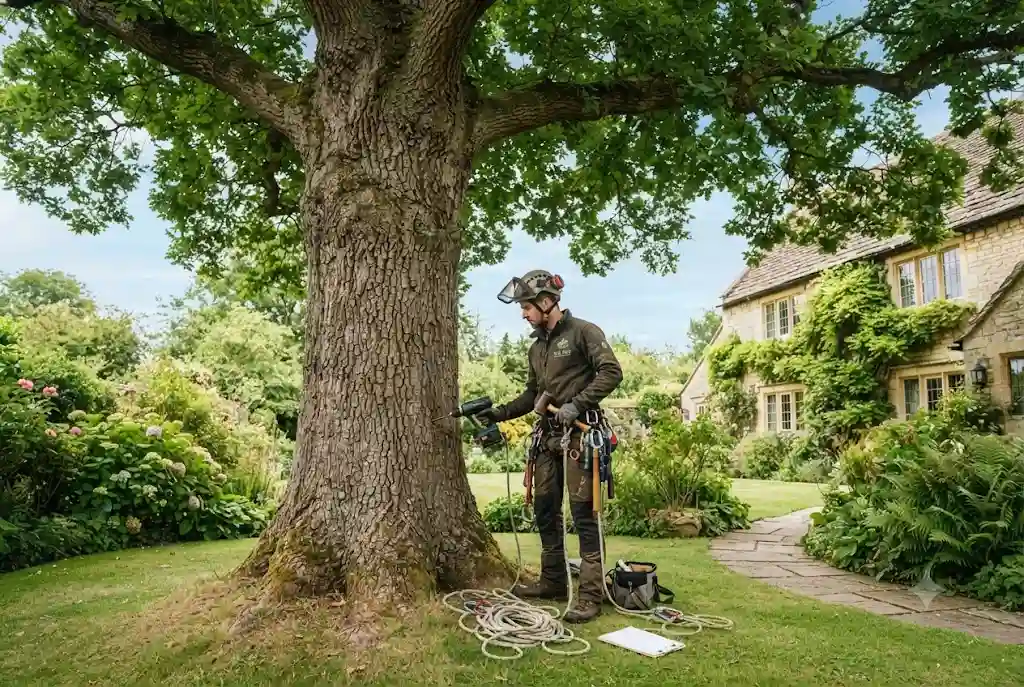
Proper tree maintenance is one of the most effective ways to preserve the beauty, safety, and longevity of trees on residential and commercial properties. Healthy trees enhance landscapes, improve biodiversity, provide shade, and increase property value. However, without regular inspections and preventative care, trees can become vulnerable to disease, structural weaknesses, and environmental damage. Investing in routine maintenance helps identify issues early and ensures trees continue to thrive for years to come.
Whether you own a single ornamental tree or manage a larger landscape, understanding the importance of regular tree care can help you make informed decisions while avoiding costly problems in the future.
Why Tree Maintenance Matters
Trees are living organisms that constantly respond to changing weather conditions, soil quality, pests, and diseases. Routine maintenance keeps trees structurally sound while supporting healthy growth throughout every season.
Professional maintenance can help:
- Improve overall tree health
- Detect diseases before they spread
- Reduce safety risks from weakened branches
- Encourage healthy growth patterns
- Protect nearby buildings, roads, and utilities
- Extend the lifespan of mature trees
Rather than reacting to problems after they occur, preventative maintenance provides long-term protection for valuable landscape assets.
Tree Inspections: The Foundation of Effective Tree Maintenance
Regular tree inspections allow qualified arborists to assess the condition of each tree before visible symptoms become serious.
During an inspection, professionals typically evaluate:
- Branch structure and stability
- Signs of decay
- Root health
- Canopy density
- Leaf condition
- Pest activity
- Storm damage
- Potential hazards
Routine inspections are especially valuable for older trees, trees near buildings, schools, roads, or high-traffic areas where safety is a priority.
What Is Included in a Tree Health Check?
A comprehensive tree health check goes beyond a simple visual assessment. It examines the overall vitality of the tree while identifying environmental factors that may affect future growth.
Leaf and Crown Assessment
Discoloured leaves, thinning canopies, or abnormal growth often indicate underlying health concerns.
Root Zone Evaluation
Healthy roots are essential for tree stability and nutrient uptake. Soil compaction, poor drainage, or root damage can significantly affect long-term health.
Structural Assessment
Weak branch unions, cracks, cavities, or leaning trunks may require corrective action before they become hazardous.
Soil Condition
Testing soil quality helps determine whether nutrient deficiencies or drainage issues are limiting healthy development.
Recognising the Early Signs of Tree Disease
Early tree disease inspection helps prevent infections from spreading to surrounding trees and landscapes.
Common warning signs include:
- Dead branches
- Premature leaf drop
- Fungal growth on trunks
- Discoloured foliage
- Bark splitting
- Unusual sap leakage
- Visible decay
Prompt diagnosis allows arborists to recommend appropriate treatment, pruning, or monitoring before extensive damage occurs.
Guidance from the Forest Research website provides valuable information on identifying common tree pests and diseases affecting UK trees.
Seasonal Tree Maintenance Throughout the Year
Seasonal tree maintenance ensures trees receive the right care at the appropriate time of year.
Spring
- Inspect for winter damage
- Monitor new growth
- Apply mulch where appropriate
- Check for early pest activity
Summer
- Monitor drought stress
- Inspect foliage health
- Water young trees during dry periods
- Assess structural growth
Autumn
- Remove damaged branches
- Inspect root zones
- Prepare trees for winter conditions
- Review long-term maintenance plans
Winter
- Carry out structural pruning where appropriate
- Inspect mature trees
- Monitor storm damage
- Plan future maintenance work
Each season presents different challenges, making year-round care far more effective than occasional maintenance.
Professional Tree Care Services
Experienced tree care services combine arboricultural knowledge with specialist equipment to manage trees safely and responsibly.
Services commonly include:
- Tree inspections
- Health assessments
- Crown thinning
- Crown reduction
- Deadwood removal
- Disease diagnosis
- Tree preservation advice
- Risk assessments
Professional recommendations are tailored to each species, location, and growing environment.
Preventative Maintenance Saves Money
Ignoring small problems often leads to expensive remedial work later. Preventative maintenance reduces the likelihood of emergency call-outs, extensive tree removal, or property damage following storms.
Routine inspections also help identify issues before they affect neighbouring properties or public spaces.
Supporting Long-Term Landscape Health
Healthy trees contribute significantly to local ecosystems by improving air quality, supporting wildlife, reducing urban heat, and enhancing biodiversity. Maintaining trees responsibly protects these wider environmental benefits while preserving attractive outdoor spaces.
Property owners planning broader landscape improvements may also benefit from integrating regular tree maintenance with residential tree care programmes that focus on gardens and domestic landscapes.
If inspections identify unstable branches following severe weather, arranging prompt emergency tree services can reduce risks and prevent further damage.
When Should You Arrange Tree Maintenance?
Although trees should be observed throughout the year, scheduling professional inspections every one to three years is generally recommended for healthy mature trees. Younger trees or those affected by previous storm damage, disease, or nearby construction may require more frequent monitoring.
If you notice unusual leaning, dead branches, fungal growth, cracks, or declining foliage, it’s advisable to arrange an inspection as soon as possible.
Conclusion
Regular tree maintenance is essential for preserving healthy, attractive, and safe trees throughout every stage of their life. Through routine tree inspections, comprehensive tree health checks, seasonal maintenance, and early disease detection, property owners can prevent costly problems while protecting both people and the surrounding environment.
Working with qualified arboricultural professionals ensures that every tree receives appropriate care based on its species, age, condition, and location. Proactive maintenance not only improves tree health today but also helps landscapes flourish for generations to come.
