

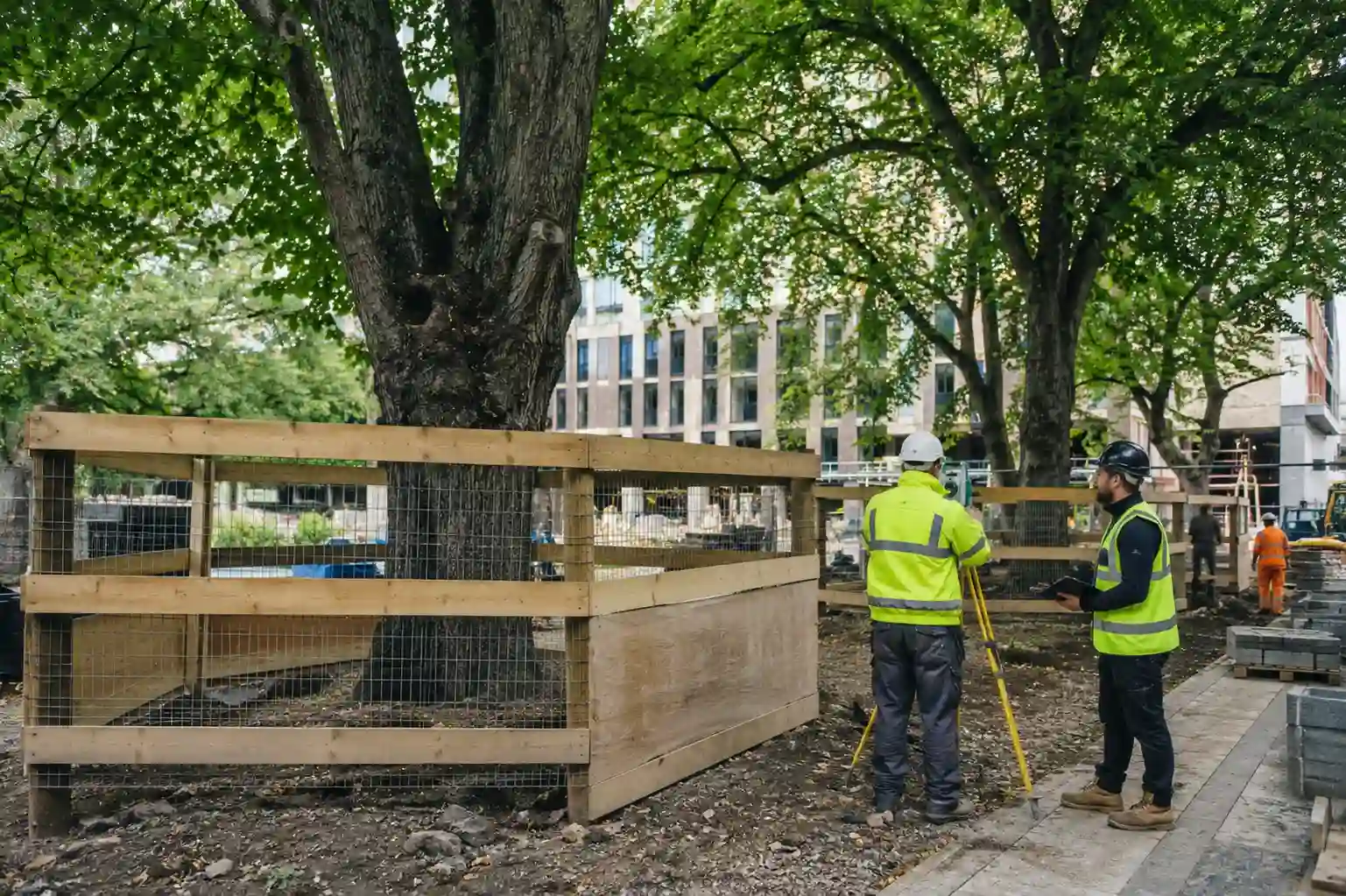
Urban development continues transforming towns and cities across the UK, creating new housing, infrastructure, and commercial opportunities. However, construction activity can also place significant pressure on existing trees and green spaces if proper planning and protection measures are not implemented.
Mature trees are among the most valuable environmental assets within urban environments. They improve air quality, support biodiversity, reduce urban heat, manage stormwater runoff, and contribute significantly to public wellbeing. Once damaged or removed, these environmental benefits can take decades to replace.
This is why tree preservation services have become an increasingly important part of responsible urban development. Professional arborists help developers, planners, and property owners protect valuable trees while ensuring construction projects remain compliant with environmental and planning regulations.
Why Tree Preservation Is Important in Urban Areas
Urban trees provide environmental value that extends far beyond aesthetics. Healthy mature trees contribute directly to climate resilience, environmental sustainability, and healthier living conditions within densely developed areas.
Well-preserved urban trees help:
- Improve air quality
- Reduce urban heat island effects
- Support biodiversity
- Manage surface water runoff
- Store carbon dioxide
- Reduce noise pollution
- Enhance property value
- Create healthier public spaces
As UK cities continue expanding, many councils now prioritise urban environmental sustainability strategies that focus on protecting existing green infrastructure during development projects.
Construction Work Can Seriously Damage Trees
Construction activity is one of the leading causes of urban tree decline. Even when trees appear unaffected above ground, underground root systems can suffer severe long-term damage during development work.
Common construction-related threats include:
- Soil compaction
- Root severance
- Excavation near root zones
- Heavy machinery movement
- Drainage changes
- Contaminated runoff
- Trunk and branch damage
Damage to root systems often affects tree stability, nutrient absorption, and long-term health. In some cases, symptoms may not appear until years after construction work has been completed.
This is why early involvement from qualified arborists is essential during planning and construction stages.
What Tree Preservation Services Include
Professional tree preservation services involve a range of specialist assessments and protection strategies designed to minimise environmental damage during development.
Tree Surveys and Condition Assessments
Arborists conduct detailed tree surveys to identify species, condition, structural health, and overall retention value.
These surveys help determine:
- Which trees should be retained
- Potential safety concerns
- Long-term management needs
- Environmental significance
- Root protection requirements
Surveys also help developers understand how trees may affect site design and planning applications.
Root Protection Area Planning
Protecting root systems is one of the most critical parts of tree preservation.
Professional arborists establish Root Protection Areas (RPAs) around retained trees to prevent:
- Soil compaction
- Excavation damage
- Machinery intrusion
- Material storage within sensitive zones
These protection measures are often required as part of planning approval conditions.
Arboricultural Impact Assessments
Development projects may require formal arboricultural reports assessing how proposed construction activity could affect existing trees.
These reports help planning authorities evaluate:
- Potential tree loss
- Construction risks
- Environmental impact
- Long-term sustainability considerations
- Tree retention strategies
Many developers work alongside environmental consulting services and arborists to ensure planning compliance and minimise ecological impact.
Planning Regulations and Legal Responsibilities
Tree preservation is closely linked to UK planning and environmental regulations. Local authorities may require developers to protect specific trees as part of planning approval processes.
Trees protected by Tree Preservation Orders (TPOs) or located within conservation areas may require special permissions before any work can take place.
Failure to comply with tree protection regulations can result in:
- Planning delays
- Enforcement notices
- Financial penalties
- Legal disputes
- Project redesign requirements
Professional arborists frequently assist developers with tree preservation orders UK compliance and planning documentation.
The Environmental Value of Mature Trees
Mature trees provide substantially greater environmental benefits compared to newly planted replacements.
Large established trees:
- Store more carbon
- Provide larger cooling canopies
- Support more wildlife habitats
- Improve air quality more effectively
- Reduce flood risks more efficiently
Protecting mature trees is often one of the most effective ways to maintain long-term urban environmental resilience.
Many sustainable planning projects now integrate sustainable tree management strategies to balance development with environmental protection.
Tree Preservation Supports Biodiversity
Urban trees provide critical habitats for birds, insects, pollinators, and small mammals. Removing mature trees can significantly reduce local biodiversity and disrupt ecological systems.
Tree preservation services help protect:
- Nesting habitats
- Pollinator corridors
- Wildlife food sources
- Urban ecosystem stability
Many development projects now include biodiversity-focused planning strategies linked to wider urban biodiversity conservation objectives.
The Role of Technology in Tree Preservation
Modern arboriculture increasingly relies on digital tools and advanced surveying technology to improve tree protection planning.
Professional arborists may use:
- GIS tree mapping systems
- Drone surveys
- Digital tree inventories
- Root zone analysis tools
- Decay detection equipment
Advanced digital tools for arborists help improve assessment accuracy and support long-term tree management strategies.
Why Early Arboricultural Planning Matters
One of the most common mistakes in development projects is involving arborists too late in the planning process. Once site layouts and infrastructure plans are finalised, retaining valuable trees can become far more difficult and expensive.
Early arboricultural input allows developers to:
- Design around valuable trees
- Reduce planning complications
- Minimise environmental damage
- Improve sustainability outcomes
- Reduce future maintenance risks
Integrating tree preservation into early project planning often results in more environmentally responsible and visually attractive developments.
The Future of Sustainable Urban Development
As climate change and environmental sustainability become increasingly important in UK planning policy, protecting existing urban trees will remain a major priority.
According to the Forest Research organisation, urban trees provide substantial environmental and economic benefits that support healthier and more resilient communities.
Tree preservation services will continue playing a critical role in helping developers, planners, and local authorities create greener, safer, and more sustainable urban environments for future generations.
