

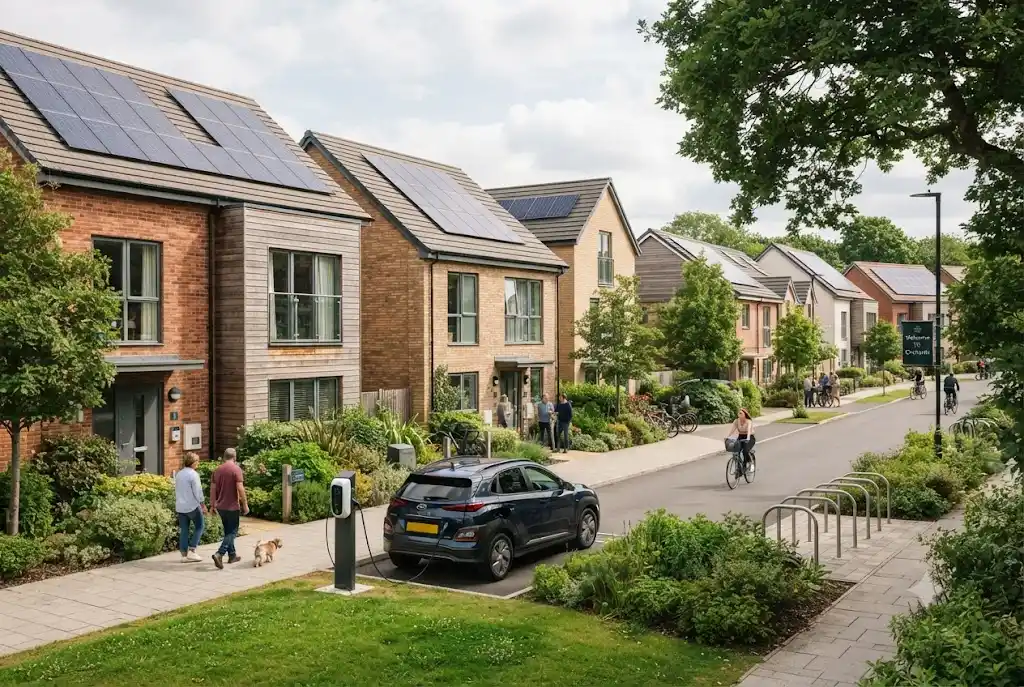
Green technology is becoming an increasingly important part of how people, businesses and communities in the UK approach energy, transport, buildings and environmental management. From renewable energy systems and efficient heating to smart monitoring tools and low-carbon infrastructure, technology is creating practical ways to reduce environmental impact while improving how resources are used.
The term covers a broad range of solutions rather than one specific type of product. It includes environmental technology designed to reduce pollution, eco technology that supports more responsible resource use, and sustainable technology that considers environmental performance throughout a product or system’s lifecycle.
For UK households and organisations, understanding these technologies is useful because environmental performance is becoming closely connected with energy costs, resilience, planning and long-term investment. The wider transition towards cleaner systems is also encouraging innovation across energy, buildings, transport, land use and industry.
What Is Green Technology?
Green technology refers to technologies, systems and processes designed to reduce environmental harm or use resources more efficiently. Depending on the application, this can involve reducing greenhouse gas emissions, lowering energy consumption, limiting waste, improving resource efficiency or supporting cleaner forms of energy.
There is no single technology that makes a home, business or city sustainable. Instead, green technology usually works as part of a wider system. Solar generation, battery storage, efficient heating, smart controls and energy monitoring, for example, can complement one another rather than operating as isolated solutions.
The same principle applies beyond buildings. Transport networks, water management, waste services, agriculture and urban planning can all benefit from technologies that make environmental performance easier to measure and improve.
Why Green Technology Matters in the UK
The UK is continuing to develop technologies needed for its transition towards net zero. The government’s 2025 Net Zero Technology Outlook examines technology requirements across major areas including industry, transport, heat and buildings, agriculture, land use, waste and power. It also identifies areas where further research, development and demonstration could be important.
This makes green technology relevant far beyond specialist environmental projects. Decisions about heating, electricity, transport, construction and digital systems can all influence resource use and emissions.
For households, the benefits may include improved energy efficiency and better control over energy use. For businesses, technology can support more efficient operations and help identify areas where energy or materials are being wasted. At a wider level, cleaner infrastructure can contribute to more resilient communities and better environmental outcomes.
Types of Green Technology to Know
Because the term is broad, it helps to understand the main areas where green technology is being applied.
Renewable Energy Technology
Renewable energy technologies generate power from sources that can naturally replenish, including sunlight and wind. Solar photovoltaic systems and wind turbines are among the most established examples.
Energy storage is also important because renewable generation does not always match the exact moment when electricity is needed. Battery systems and other storage technologies can help manage this difference and improve flexibility across electricity systems.
The UK’s Net Zero Technology Outlook identifies increased solar and wind capacity, alongside energy storage and other technologies, as part of the technology mix being considered for the path to net zero.
Energy-Efficient Building Technology
Buildings are another major area for environmental innovation. Technology can help reduce the amount of energy needed for heating, cooling, lighting and everyday operation.
Smart thermostats, automated controls, energy monitoring systems, efficient heat technologies and intelligent building management platforms can provide better visibility over consumption. However, technology works best when combined with appropriate building design, insulation and responsible energy use.
For homeowners, this means green technology does not necessarily begin with installing a complex system. Simple monitoring and control can be valuable because they show where energy is being consumed and where improvements may be possible.
Clean Transport Technology
Transport is another important field for clean technology. Electric vehicles, charging infrastructure, battery development and intelligent transport systems are helping reshape how people and goods move.
Technology can also improve transport efficiency without replacing every vehicle. Route optimisation, traffic management, shared mobility platforms and better public transport information can help reduce unnecessary journeys and improve the use of existing infrastructure.
Water and Waste Technology
Environmental technology also has an important role in water and waste management. Sensors can monitor infrastructure, identify changes and provide data that supports maintenance and more efficient resource use.
In waste management, digital systems can help organisations monitor collection, improve routing and identify opportunities for recycling or reducing waste. These applications demonstrate that green technology is not limited to energy generation.
Green Technology and Smart Outdoor Spaces
Technology is increasingly being applied to the management of trees, vegetation and other forms of urban greenery. Digital mapping, environmental sensors, geographic information systems and asset-management platforms can help organisations understand and maintain green infrastructure more effectively.
This area connects naturally with smart urban greening, where technology is used alongside landscape planning and urban environmental management.
For councils, property managers and landowners, digital tools can make it easier to record assets, monitor conditions and plan maintenance. The value is not simply technological. Better information can support more informed decisions about the long-term management of green spaces.
Green Technology vs Environmental Technology
Green technology and environmental technology are closely related terms, but they can be used with slightly different emphasis.
The Green technology commonly describes solutions intended to reduce environmental impact or support sustainable resource use. Environmental technology can be broader, covering technologies used to prevent, monitor or manage environmental problems such as pollution, waste and resource degradation.
For example, an energy management system may be described as green technology because it can help reduce unnecessary energy consumption. A monitoring system used to measure air or water quality may more naturally fall under environmental technology.
In practice, there is considerable overlap between the two terms. The important consideration is what the technology actually does rather than which label is used to describe it.
What Makes Technology Truly Sustainable?
A product should not automatically be considered sustainable simply because it is marketed as green or eco-friendly. Its wider environmental impact needs to be considered.
Useful questions include:
- How much energy does the technology require?
- How long is the equipment expected to last?
- Can components be repaired, reused or recycled?
- What materials are required to manufacture it?
- Does it reduce resource consumption during normal operation?
- What happens to the equipment at the end of its useful life?
Lifecycle thinking is particularly important for digital technology. The UK government’s guidance on sustainable technology recommends considering sustainability throughout the lifecycle of technology projects, including energy use, waste, procurement and equipment lifespan.
This approach helps avoid a common mistake: judging technology only by its immediate environmental benefit while ignoring the resources required to manufacture, operate and eventually dispose of it.
How Businesses Can Use Green Technology
Businesses do not necessarily need to make large investments immediately to benefit from green technology. A practical starting point is to understand where energy, materials and other resources are being consumed.
Energy monitoring can identify inefficient equipment or unusual consumption patterns. Smart controls can automate certain processes. Digital documentation can reduce paper use, while cloud and software strategies can be reviewed for unnecessary storage or processing.
Businesses with larger facilities may also consider intelligent building systems, renewable energy generation, energy storage and electric vehicle charging. The right combination depends on the building, operating model and available infrastructure.
The UK’s approach to clean technology is also creating opportunities for innovation and commercial development. In July 2026, the government launched its UK cleantech innovation challenges programme to support innovation in areas considered important for emissions reduction, clean energy and future carbon budgets.
Green Technology and Climate Technology
Climate technology is another related term that focuses particularly on technologies addressing climate change. This can include solutions that reduce greenhouse gas emissions as well as technologies designed to help societies adapt to climate-related risks.
Green technology is therefore a broader practical concept in many everyday contexts. A technology can support environmental sustainability without being designed exclusively around climate change.
For example, a digital system that reduces unnecessary water consumption may have environmental benefits even though its primary function is resource management. Similarly, technology that improves the lifespan of infrastructure can reduce material waste and the need for replacement.
What Is the Future of Green Technology?
The future of green technology is likely to involve greater integration between physical infrastructure, renewable energy, digital systems and environmental data.
Instead of relying on individual technologies, future systems are increasingly likely to connect multiple functions. Buildings may combine generation, storage, heating and automated energy management. Cities can connect environmental data with planning and infrastructure decisions. Land managers can use digital information to support the maintenance of trees, vegetation and other green assets.
The UK’s Net Zero Technology Outlook highlights technologies across power, buildings, transport, industry, agriculture, land use and waste, showing how broad the technology challenge is. It also recognises that some emerging technologies remain uncertain and require further development.
That means the most useful green technology will not always be the newest technology. In many cases, established solutions that are reliable, repairable, efficient and appropriately integrated into existing systems may provide the most practical environmental value.
How to Choose Green Technology for Your Home or Business
Before investing in any green technology, start with the problem rather than the product. Identify what you want to improve, measure the current situation and then compare potential solutions.
Consider total costs, expected lifespan, maintenance requirements, energy performance, compatibility with existing systems and end-of-life arrangements. It is also worth checking whether the claimed environmental benefit can be supported by credible evidence.
For outdoor environments, technology should be considered alongside ecological and legal requirements. Decisions involving established trees, for example, may need to take account of protected trees law before work is planned. Similarly, projects involving hedgerows may need to consider the relevant hedgerow regulations.
Final Thoughts
Green technology is best understood as a practical toolkit for using energy, materials and environmental resources more responsibly. Its applications range from renewable power and efficient buildings to clean transport, digital monitoring, water management and smarter green infrastructure.
For the UK, the transition is creating opportunities to combine technological innovation with better environmental management. The most effective approach is not simply to adopt technology because it carries a green label, but to choose solutions that deliver measurable benefits, work efficiently and remain useful over the long term.
As technology becomes increasingly connected with buildings, infrastructure, landscapes and environmental data, understanding these systems will become even more important for homeowners, businesses and communities across the UK.
“`
