

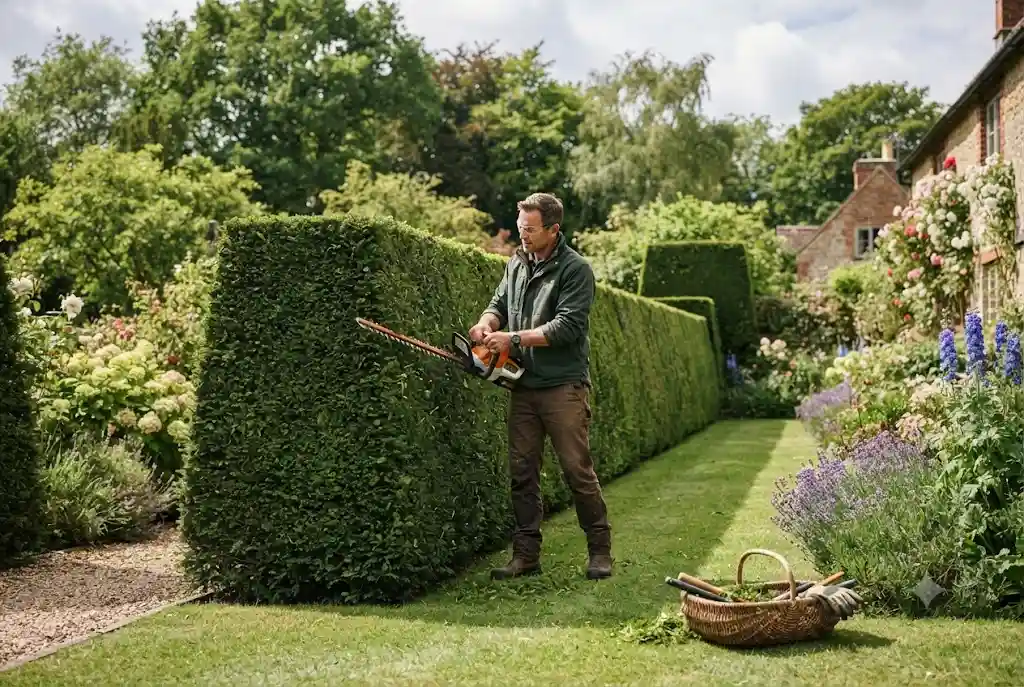
Hedge cutting services help homeowners, landlords, and businesses maintain tidy, healthy, and attractive outdoor spaces throughout the year. Well-maintained hedges do far more than improve kerb appeal—they provide privacy, define boundaries, support wildlife, and contribute to the overall health of a garden. However, without regular care, hedges can quickly become overgrown, uneven, or unhealthy, making professional maintenance an important part of landscape management.
Whether you have formal ornamental hedges, evergreen screening, or mixed native species, regular trimming and pruning encourage dense growth while preserving their natural shape and long-term health.
Why Hedge Cutting Services Are Important
Hedges are living plants that continue growing throughout much of the year. Without routine maintenance, they may block pathways, reduce visibility, overshadow gardens, or interfere with neighbouring properties.
Professional hedge cutting services help to:
- Maintain an attractive appearance
- Promote healthy, dense growth
- Improve natural light within gardens
- Prevent overgrowth
- Reduce the risk of disease
- Maintain property boundaries
- Create safer outdoor spaces
Routine care keeps hedges manageable while extending their lifespan.
What Is Included in Hedge Maintenance?
Hedge maintenance involves much more than simply trimming the outer edges. Professional arborists and landscape specialists assess the overall condition of the hedge before carrying out any work.
Typical maintenance services include:
- Routine hedge trimming
- Height reduction
- Width management
- Removal of dead growth
- Seasonal shaping
- Disease inspection
- Advice on future maintenance
The frequency of maintenance depends on the hedge species, growth rate, and desired appearance.
The Benefits of Regular Hedge Trimming
Hedge trimming encourages compact growth and helps prevent hedges from becoming thin or sparse.
Regular trimming offers several advantages:
- Creates a neat, uniform appearance
- Stimulates healthy branching
- Improves sunlight penetration
- Reduces wind damage
- Helps identify early signs of disease
- Supports long-term plant health
Correct trimming techniques also minimise stress on plants while preserving their natural form.
Shrub Pruning for Healthy Growth
In addition to hedge maintenance, many gardens benefit from professional shrub pruning. Shrubs require careful pruning to remove dead, damaged, or overcrowded branches while encouraging healthy flowering and vigorous new growth.
Professional pruning can help:
- Improve flowering performance
- Maintain attractive shapes
- Increase air circulation
- Reduce disease risks
- Remove damaged stems
- Encourage balanced growth
Different shrub species require different pruning methods, making expert advice particularly valuable.
Seasonal Hedge Care
Maintaining hedges throughout the year helps keep them healthy and visually appealing.
Spring
- Inspect for winter damage
- Remove dead growth
- Monitor new shoots
Summer
- Carry out routine trimming
- Maintain formal hedge shapes
- Monitor for pests
Autumn
- Complete final seasonal trimming
- Inspect hedge health
- Prepare plants for winter
Winter
- Assess structural growth
- Plan maintenance for the coming year
- Remove damaged branches where appropriate
Following a seasonal schedule keeps hedges healthy while reducing the need for major corrective work later.
When Is Hedge Removal Necessary?
Sometimes routine maintenance is no longer sufficient. Hedge removal may be recommended when hedges become diseased, severely overgrown, unstable, or unsuitable for their location.
Common reasons for removal include:
- Irreversible disease
- Extensive storm damage
- Root problems affecting nearby structures
- Garden redesign projects
- Poor species selection
- Long-term neglect
Professional removal minimises disruption to surrounding plants while preparing the area for future landscaping.
Garden Hedge Services for Residential Properties
Garden hedge services are tailored to suit individual properties, whether maintaining formal front garden hedges or managing larger boundary screens.
Typical residential services include:
- Annual maintenance programmes
- One-off hedge reductions
- Seasonal trimming
- Shrub pruning
- Health inspections
- Waste removal
Regular professional care keeps gardens attractive while reducing ongoing maintenance demands for homeowners.
Protecting Wildlife During Hedge Maintenance
Many hedges provide valuable nesting sites and shelter for birds, insects, and small mammals. Responsible hedge maintenance takes wildlife into account by checking for active nests before work begins and following current environmental guidance.
The Royal Horticultural Society offers useful advice on selecting and maintaining healthy hedges for UK gardens.
Combining Hedge Maintenance with Tree Care
A well-maintained landscape benefits from a coordinated approach to both trees and hedges. Regular tree maintenance ensures mature trees remain healthy while preventing excessive shading that may affect nearby hedges.
Homeowners looking after complete garden landscapes often combine hedge care with residential tree care to create healthier, safer, and more attractive outdoor spaces throughout the year.
Conclusion
Hedge cutting services are an essential part of maintaining beautiful, healthy, and functional gardens. From routine hedge maintenance and shrub pruning to trimming and hedge removal, professional care helps preserve plant health while enhancing the appearance and value of your property.
Working with experienced arborists ensures every hedge receives the correct treatment at the right time of year, providing long-lasting results and creating outdoor spaces that remain attractive in every season.
