

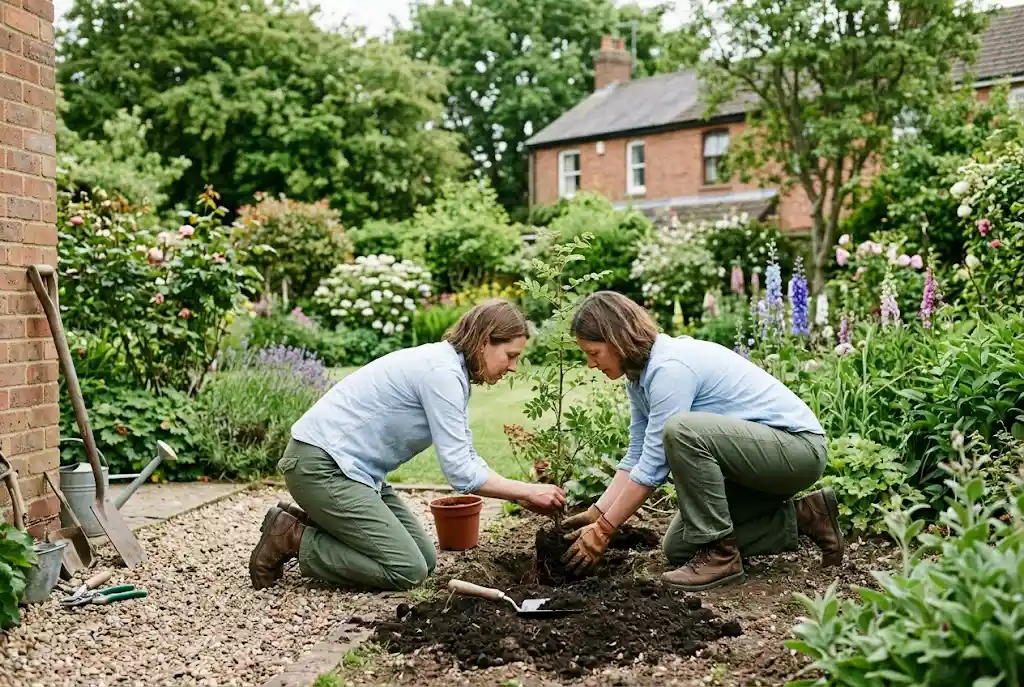
Understanding how to plant a tree from a tree is a valuable skill for gardeners, landowners, and arboriculture professionals across the UK. Instead of relying solely on nursery-grown saplings, you can propagate new trees directly from existing ones using natural and cost-effective methods such as seeds, cuttings, and layering.
This practical guide explains how to approach tree propagation successfully within UK conditions, helping you grow strong, healthy trees while supporting long-term environmental sustainability.
What Does Planting a Tree from a Tree Mean?
Planting a tree from a tree refers to the process of creating new growth using parts of an existing tree. This can be achieved through:
- Seed propagation
- Stem or branch cuttings
- Layering techniques
Each method varies in complexity and success rate depending on the species and environmental conditions.
Best Time to Plant Trees in the UK
Timing is one of the most important factors for success. In most parts of the UK, the best time to plant trees in the UK is between late autumn and early spring when trees are dormant.
This allows roots to establish before active growth begins, improving survival rates and long-term development.
Method 1: Growing a Tree from Seeds
Step 1: Collect Seeds
Collect seeds from mature, healthy trees. Common examples include acorns from oak trees or winged seeds from maple trees.
Step 2: Stratification
Many tree seeds require a cold period to break dormancy. This process, known as stratification, mimics natural winter conditions.
Step 3: Planting the Seeds
Plant seeds in well-drained soil or containers, ensuring consistent moisture and exposure to natural light.
Understanding different species and their characteristics is essential, which is why reviewing facts about trees can strengthen your knowledge before starting.
Method 2: Growing Trees from Cuttings
Step 1: Choose the Right Cutting
Select a young, healthy branch from the parent tree, ideally during late spring or early summer when growth is active.
Step 2: Prepare the Cutting
Cut a section around 15–20 cm long and remove leaves from the lower half to reduce water loss.
Step 3: Root Development
Place the cutting into moist soil or a propagation medium. Using rooting hormone can improve success, although some species like willow root naturally.
Method 3: Layering Technique
Layering involves bending a low branch toward the ground and covering part of it with soil while it remains attached to the parent tree.
Roots will gradually develop in the covered section. Once established, the new tree can be separated and transplanted.
This method is reliable and requires minimal equipment, making it suitable for beginners.
Choosing the Right Location
The success of your new tree depends heavily on where it is planted. Consider:
- Soil drainage and fertility
- Sunlight exposure
- Space for mature growth
If you are unsure about site selection or species compatibility, consulting arborists near me can provide professional guidance tailored to your location.
Aftercare and Maintenance
Young trees require consistent care, particularly in their first few years:
- Regular watering during dry periods
- Protection from pests and wildlife
- Support staking where necessary
Proper aftercare ensures healthy root establishment and long-term growth stability.
Common Mistakes to Avoid
- Planting at the wrong time of year
- Using weak or diseased parent material
- Overwatering or poor soil drainage
- Incorrect planting depth
Additionally, being able to identify a tree by leaf helps ensure you are propagating the correct species for your intended environment.
Commercial Tree Planting Considerations
For larger projects such as landscaping developments or environmental restoration, commercial tree planting requires planning, consistent propagation methods, and long-term maintenance strategies.
Understanding how to grow trees from existing ones allows for cost efficiency and scalability while maintaining ecological balance.
Additional Resources for Tree Propagation
For detailed guidance on native species and propagation techniques, the Royal Horticultural Society propagation guide offers practical advice tailored to UK gardeners and professionals.
Final Thoughts
Learning how to plant a tree from a tree is a practical and sustainable approach to growing new trees in the UK. Whether you use seeds, cuttings, or layering, each method offers a reliable way to expand green spaces and improve biodiversity.
With the right timing, location, and care, you can successfully propagate trees and contribute to a healthier and more resilient environment.
